Reviews
2026 GWM Tank 500 PHEV
Price
Starting at $79,999 (excl. on road costs)
3 Things We Love
* Luxurious & Plush Second-Row Experience * Heated and Massaging Rear Seats * Rear Centre Armrest Control Screen
3 Things We Hate
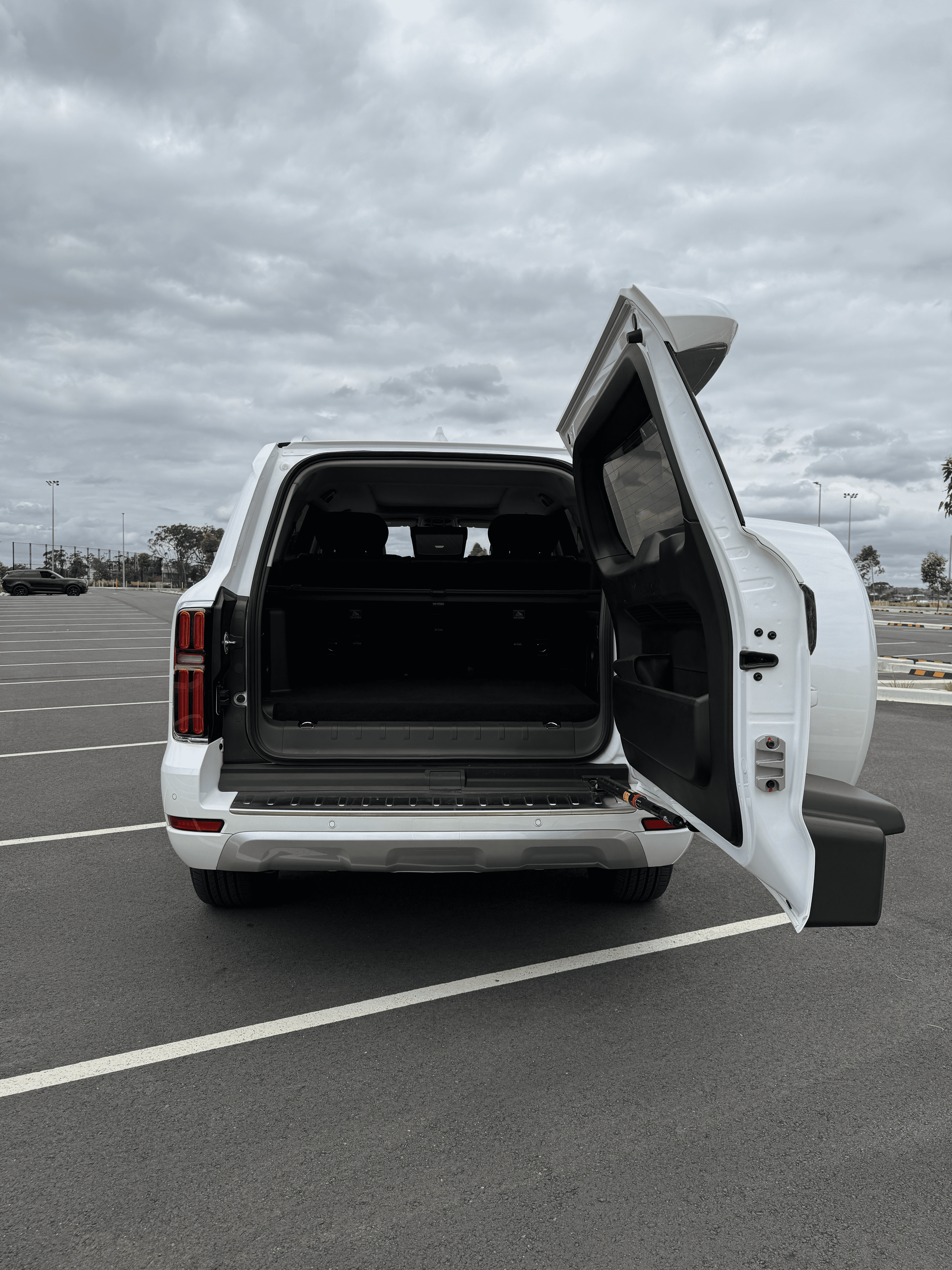
* Boot Practicality and Seating Limitations * Tacky Illuminated Dashboard Panel * No Physical Volume Knob or Button
Intro
The 2026 GWM Tank 500 PHEV enters a tough 4x4 market dominated by the Toyota Prado — but it’s not here to make up the numbers. With a sharp price, serious off-road hardware, a luxurious interior, and plug-in hybrid efficiency, it promises premium comfort without sacrificing toughness. The big question is simple: can the Tank 500 genuinely challenge the Prado, or even replace it as the smarter buy?
Exterior
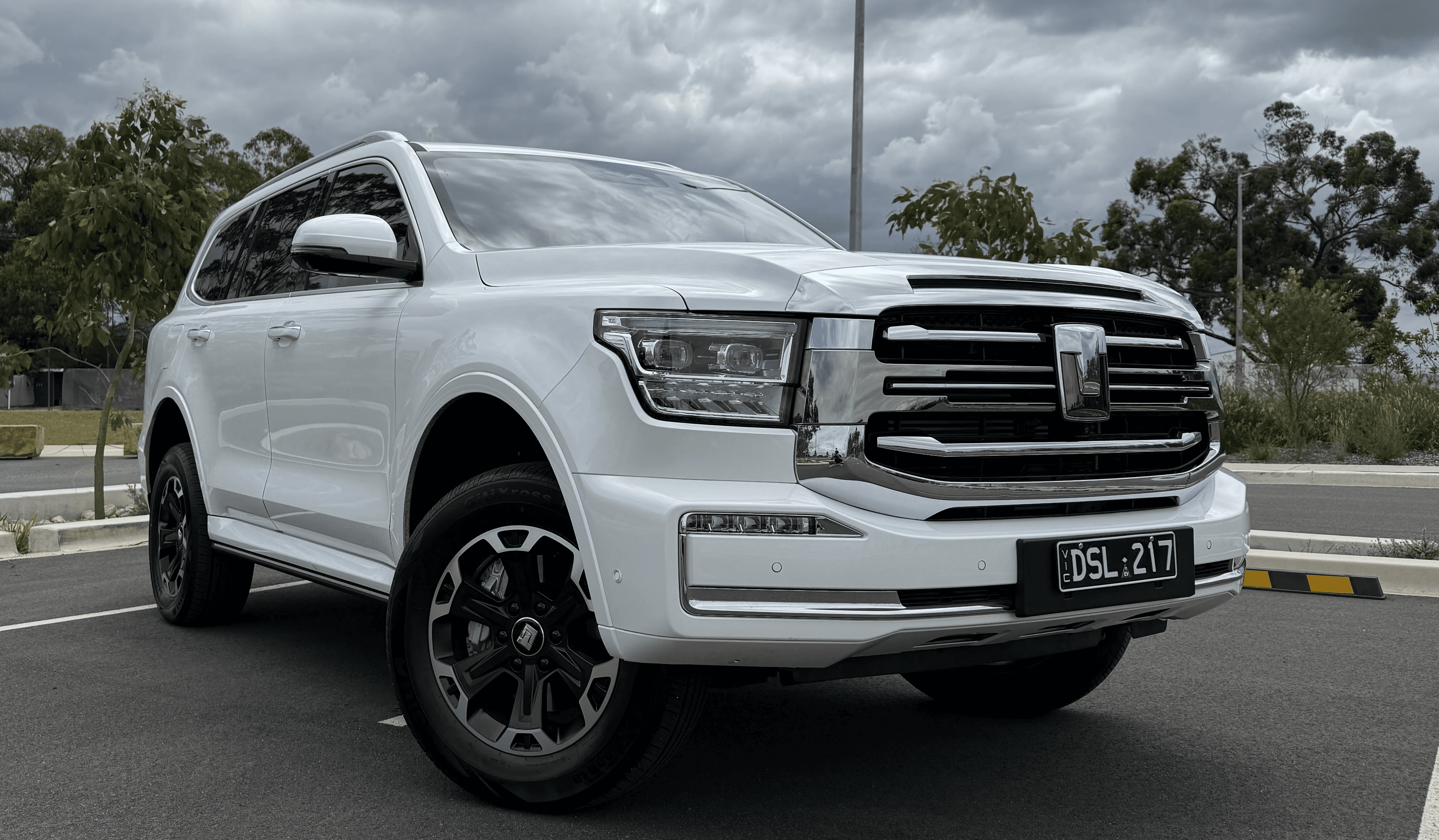
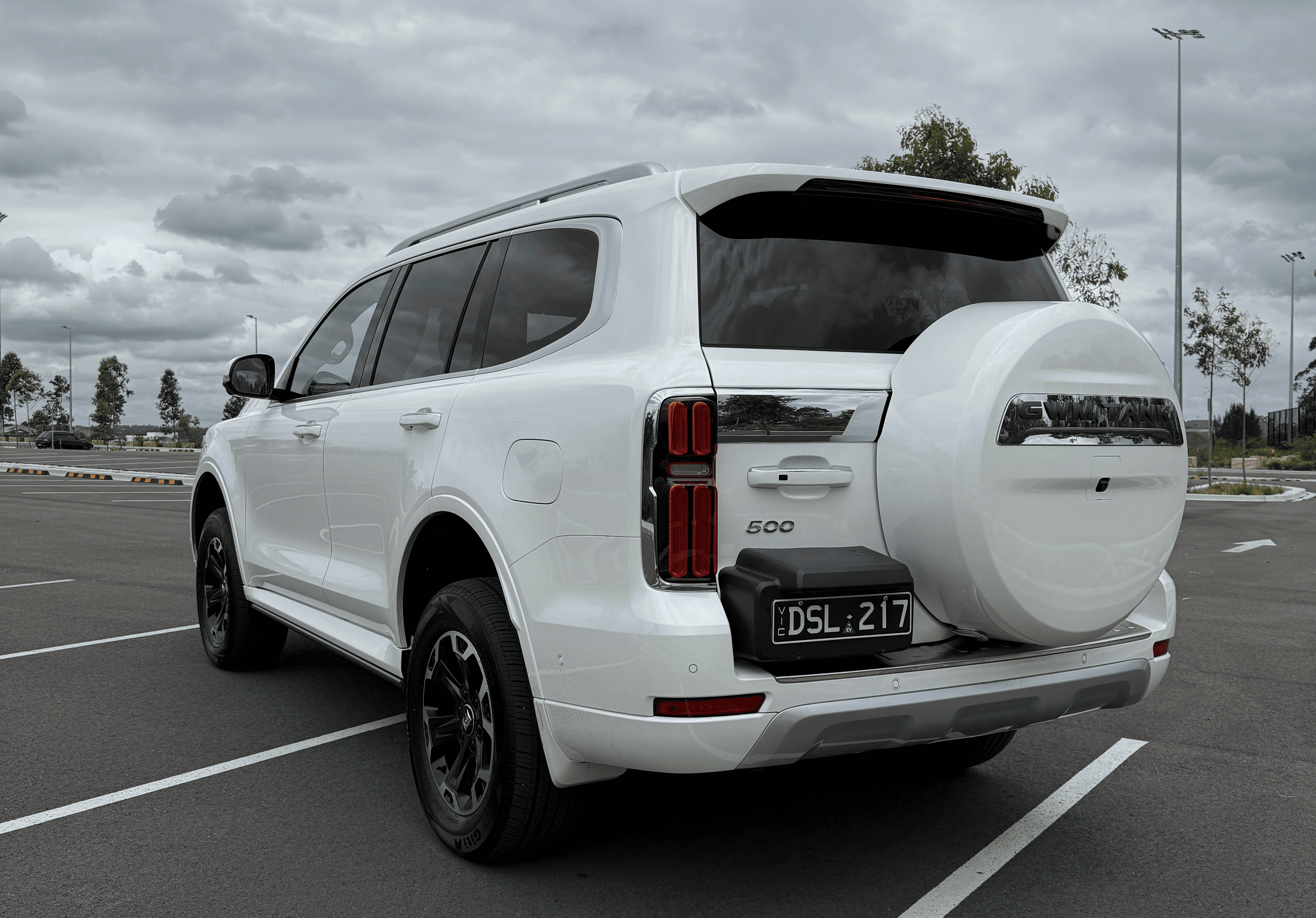
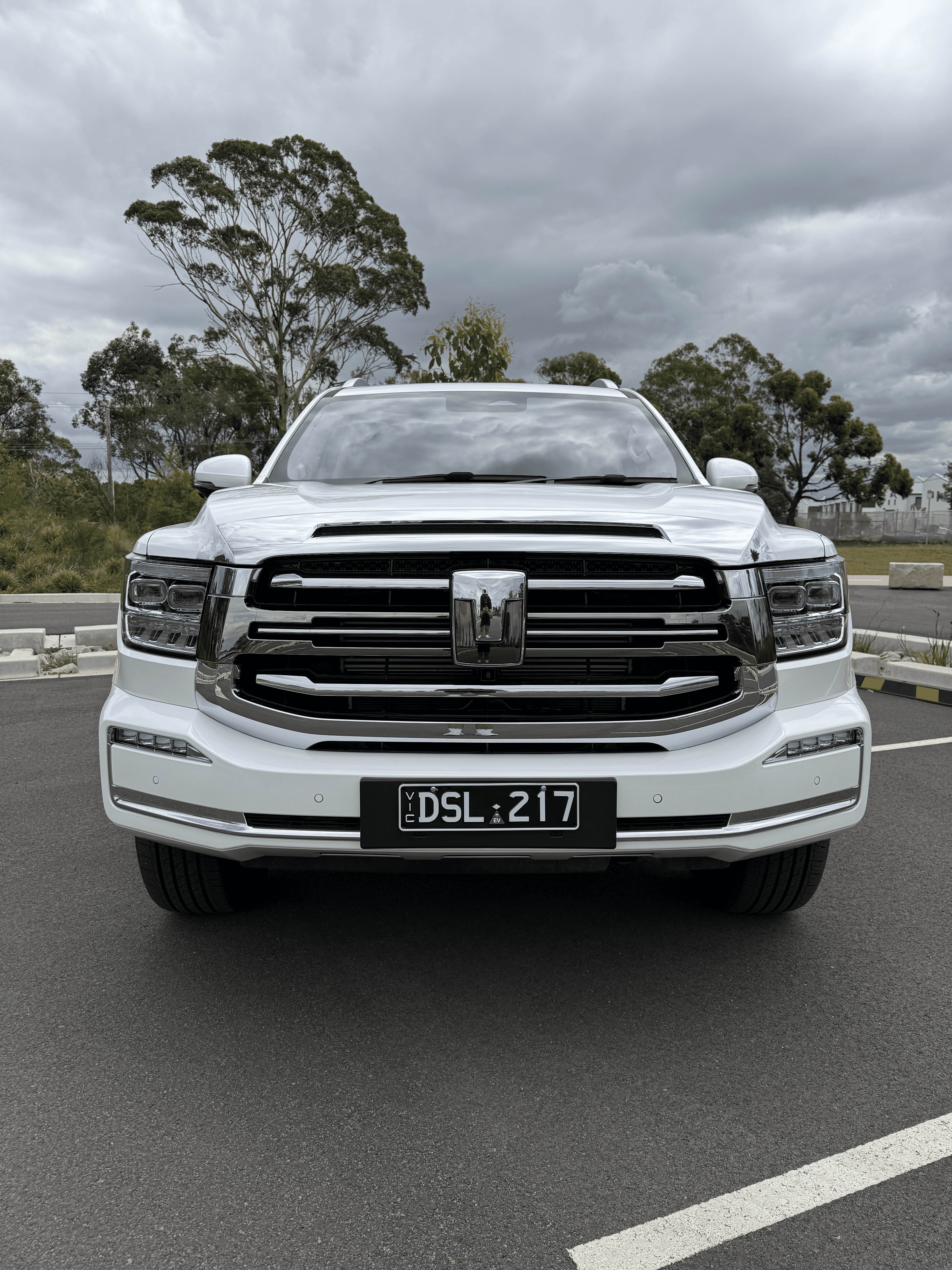
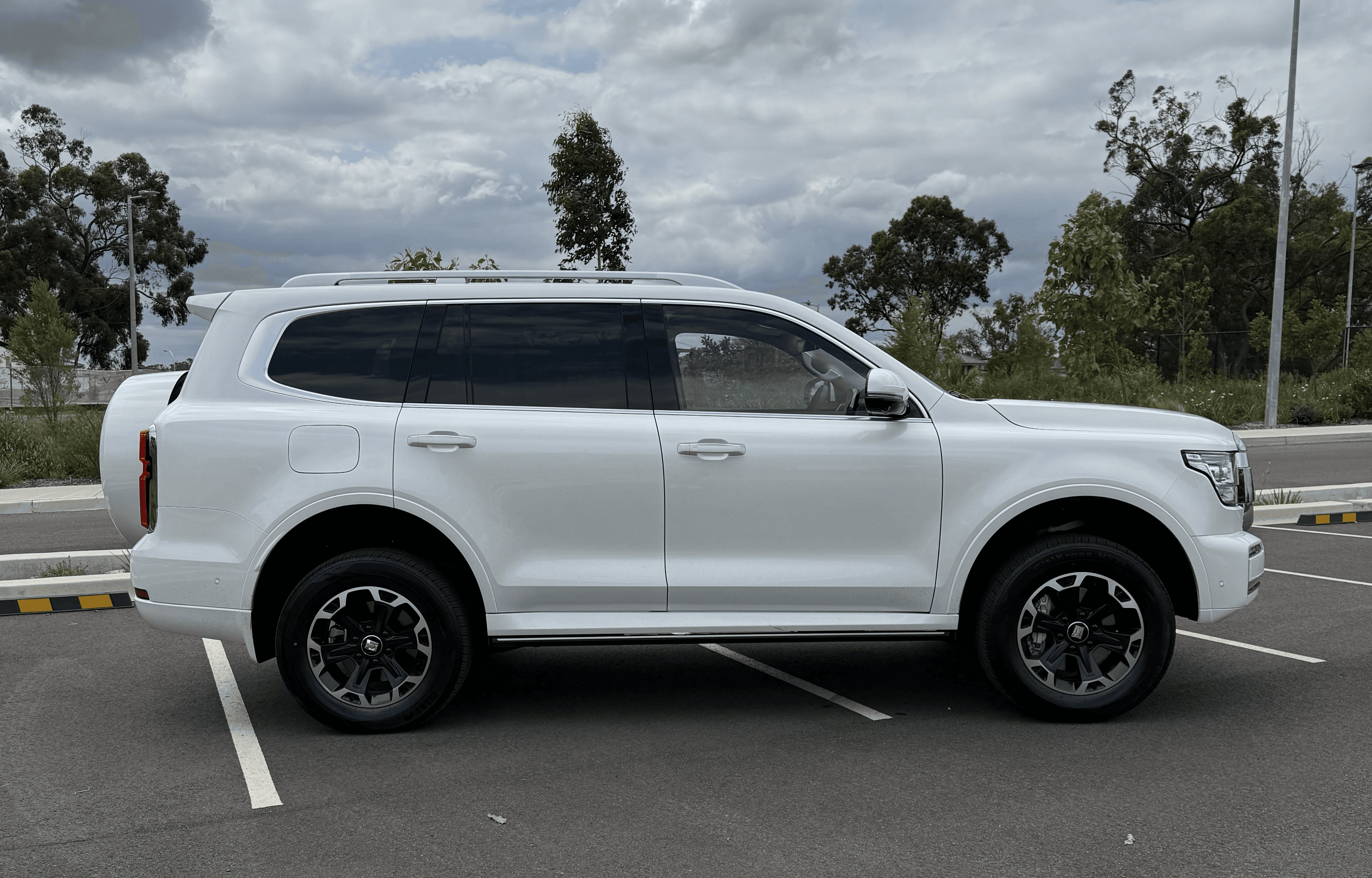
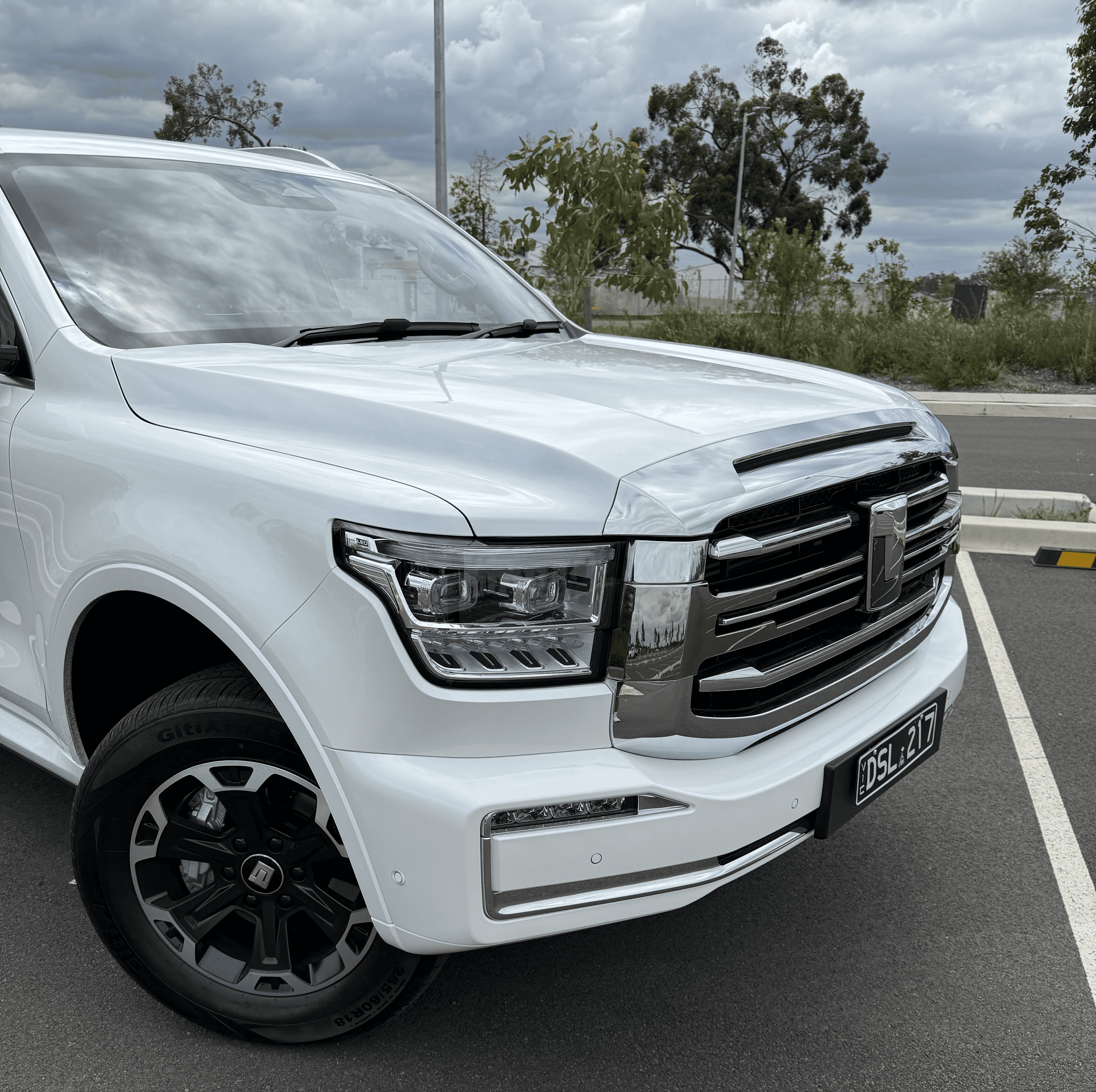
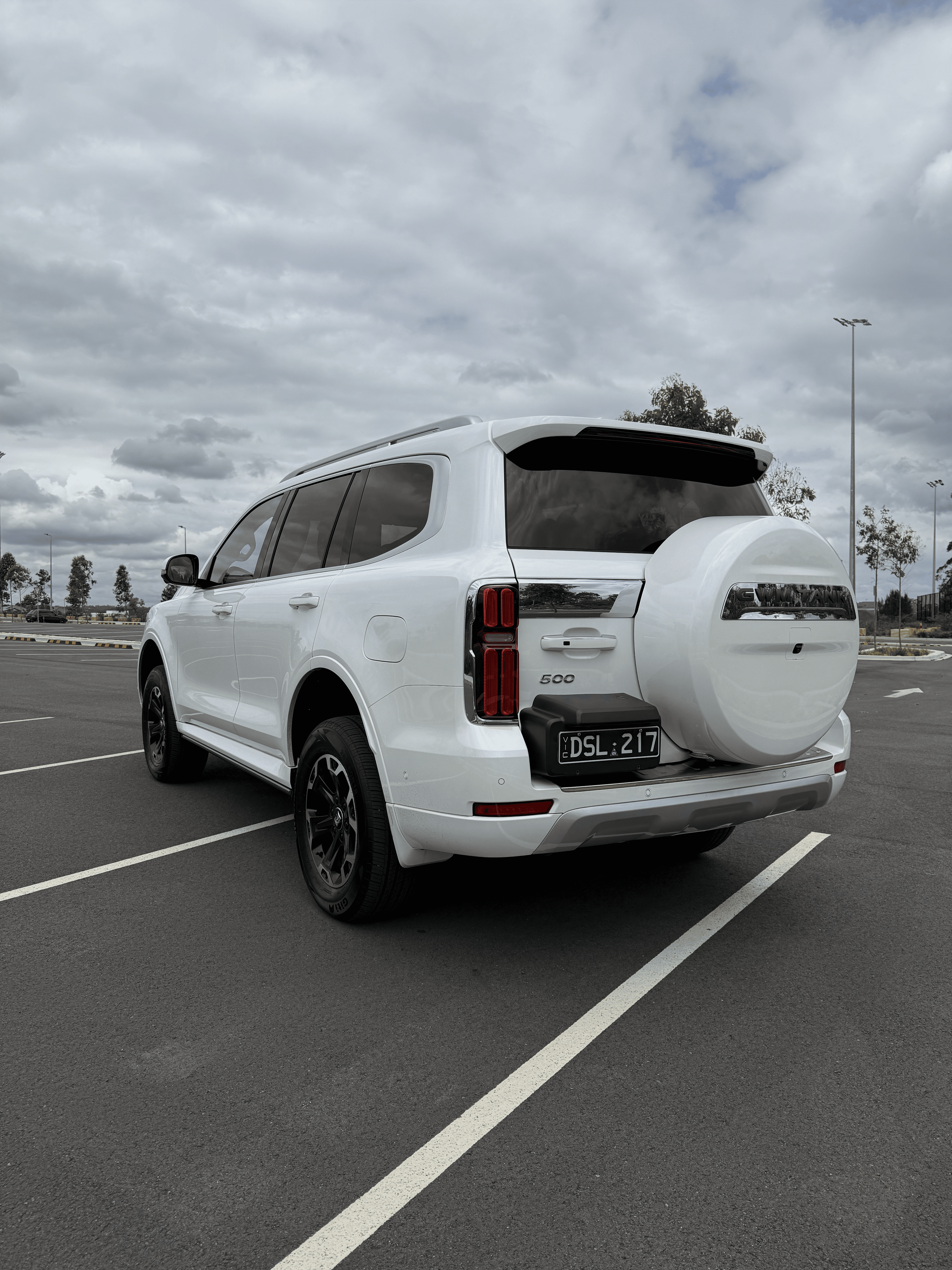
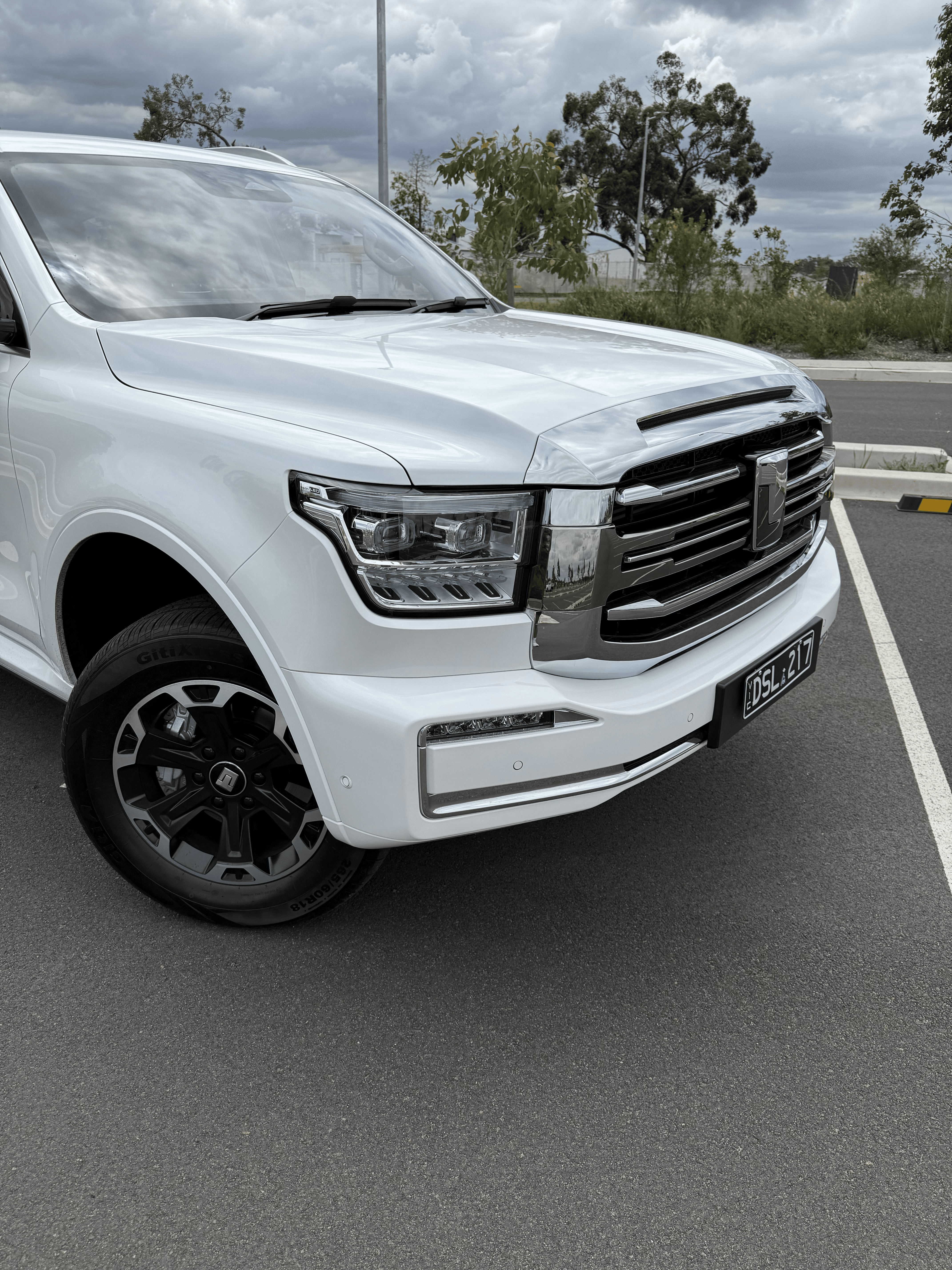
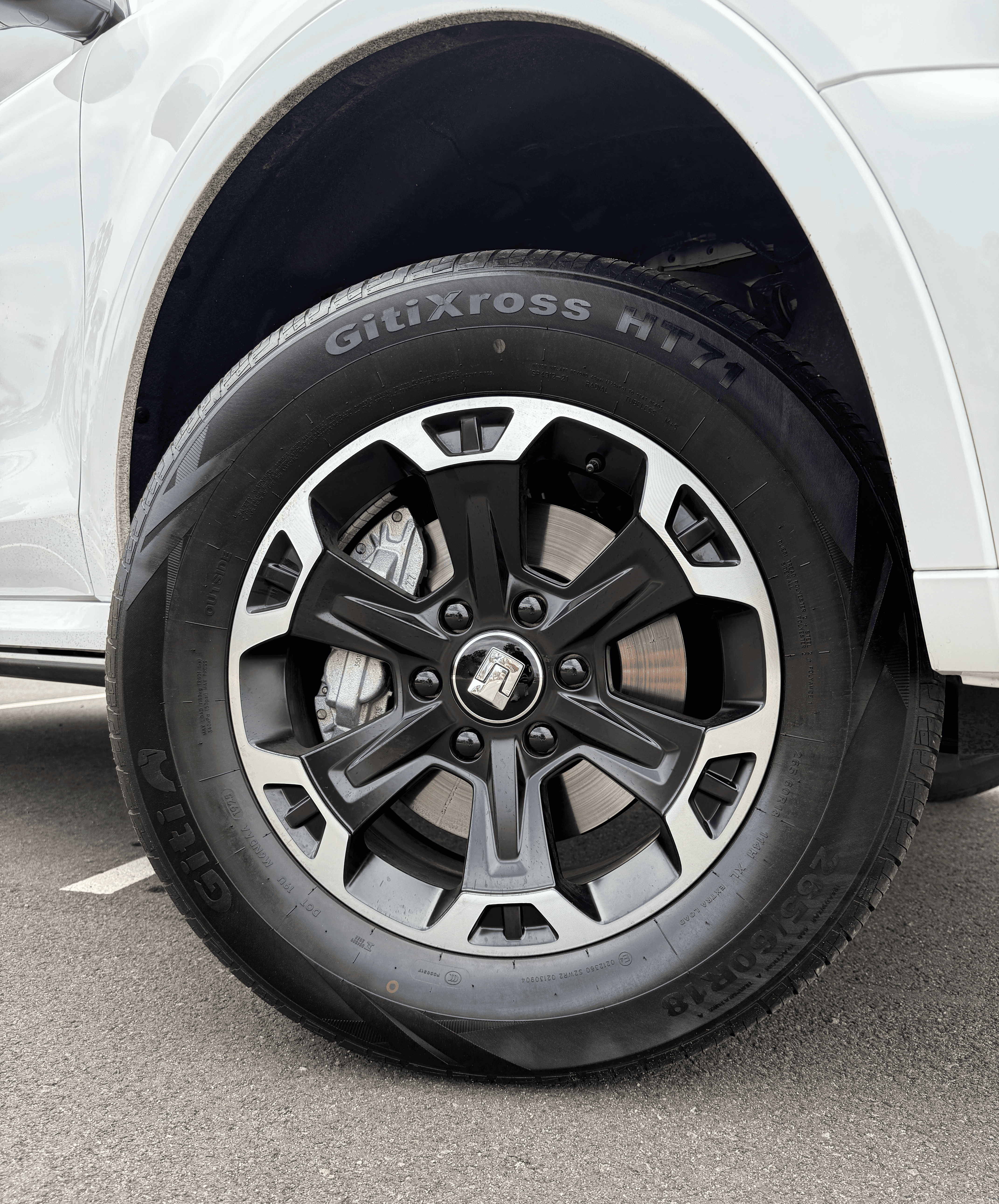
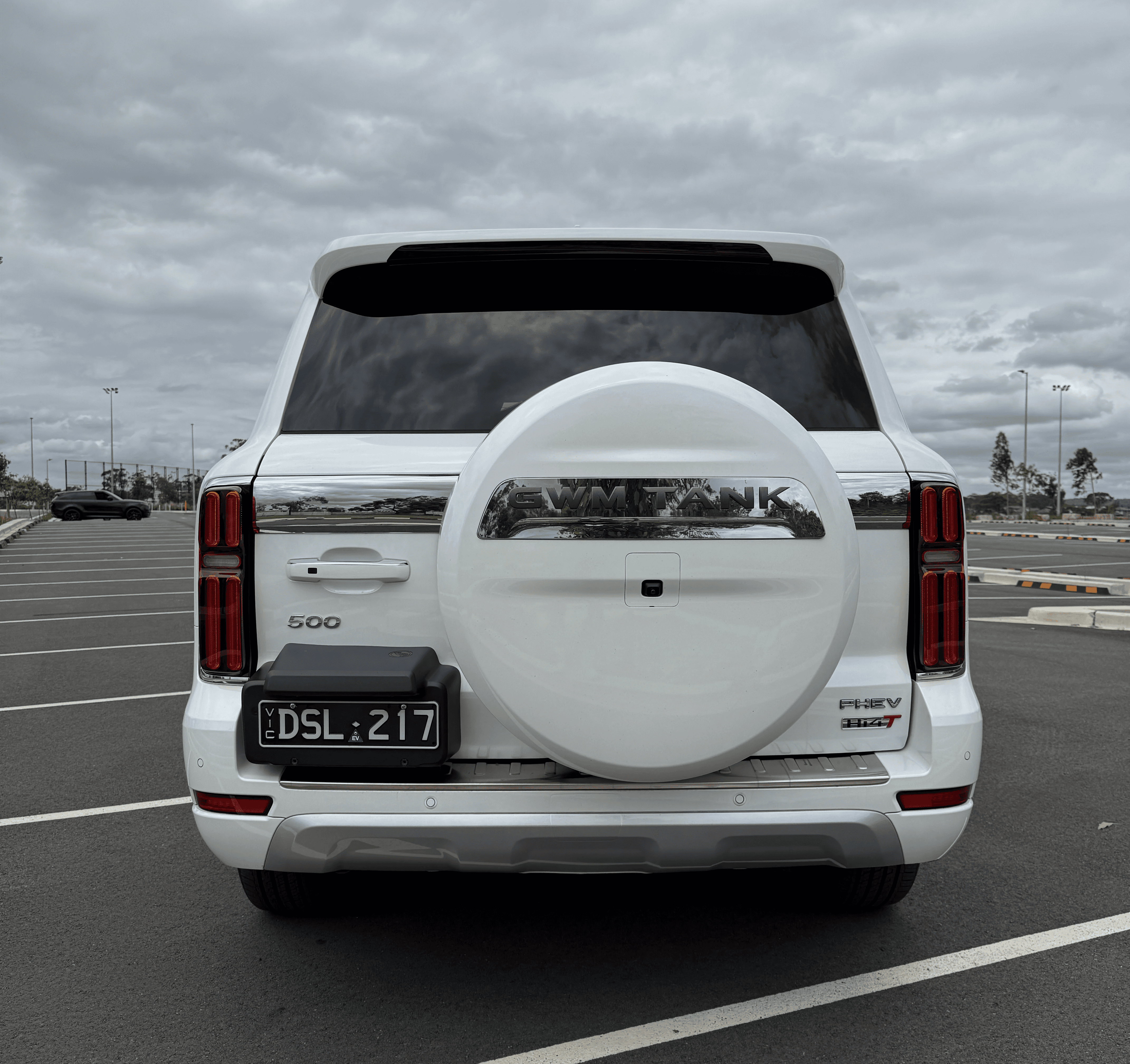
The Tank 500 PHEV has undeniable road presence. It’s large, upright and confidently styled, with a strong visual identity that leans heavily into premium 4WD toughness. Up front, the large grille and LED lighting give it a bold face, while the body shape stays faithful to the traditional big-SUV formula. There is, however, a lot of chrome. Depending on taste, that can either add presence or feel excessive, especially given that the blacked-out Vanta treatment is not available on this plug-in hybrid flagship. Still, details such as the electronic side steps and full-size rear-mounted spare help reinforce its premium-meets-rugged character. At the rear, the side-hinged tailgate adds some old-school 4WD appeal, though it’s not the most practical solution in tighter parking situations. The license plate placement also feels awkward and disrupts an otherwise handsome design. Even so, the overall look remains strong, distinctive and properly premium for the money.

Salvatore Gerace
MotorMarvel Journalist
Interior
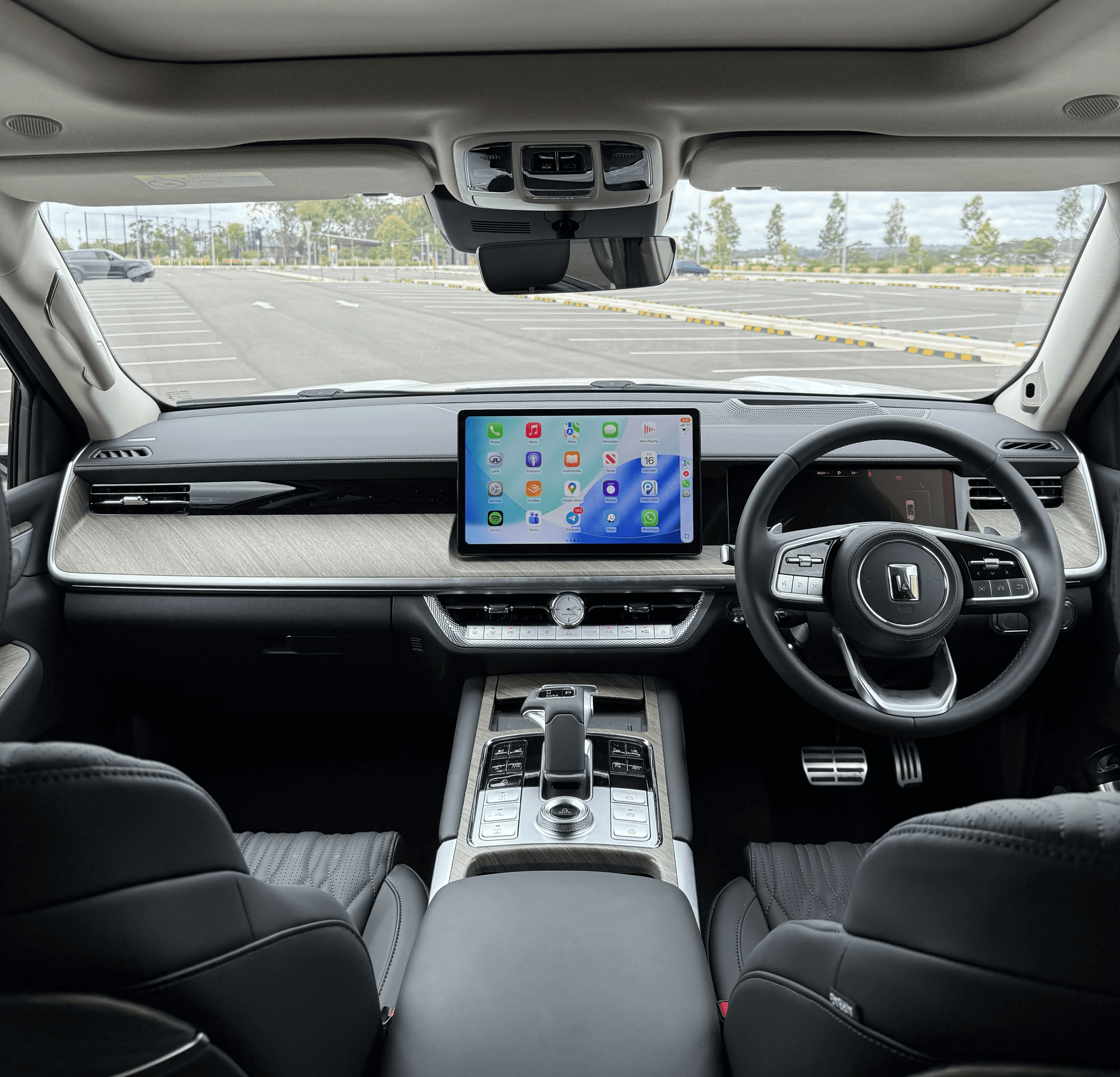
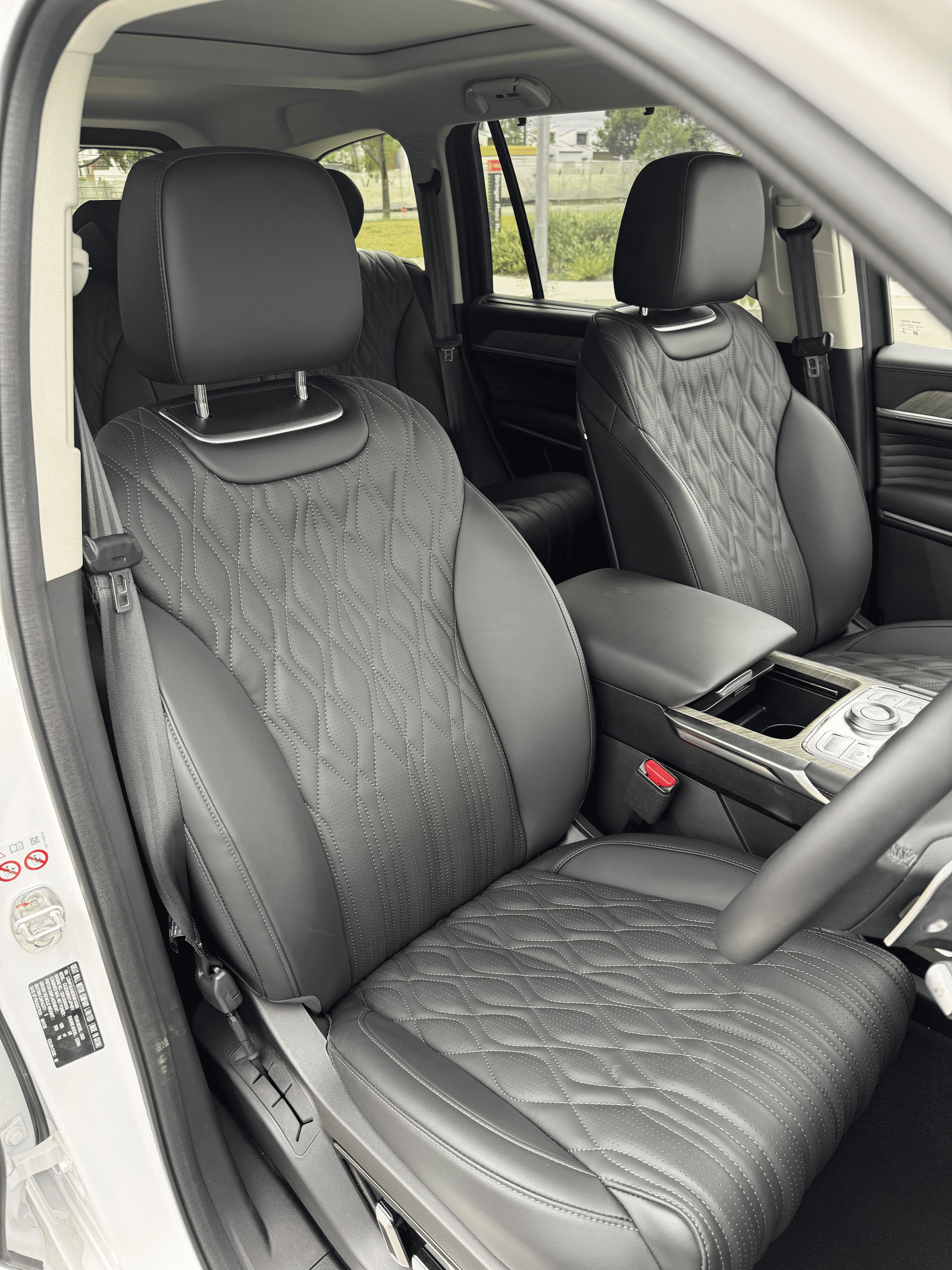
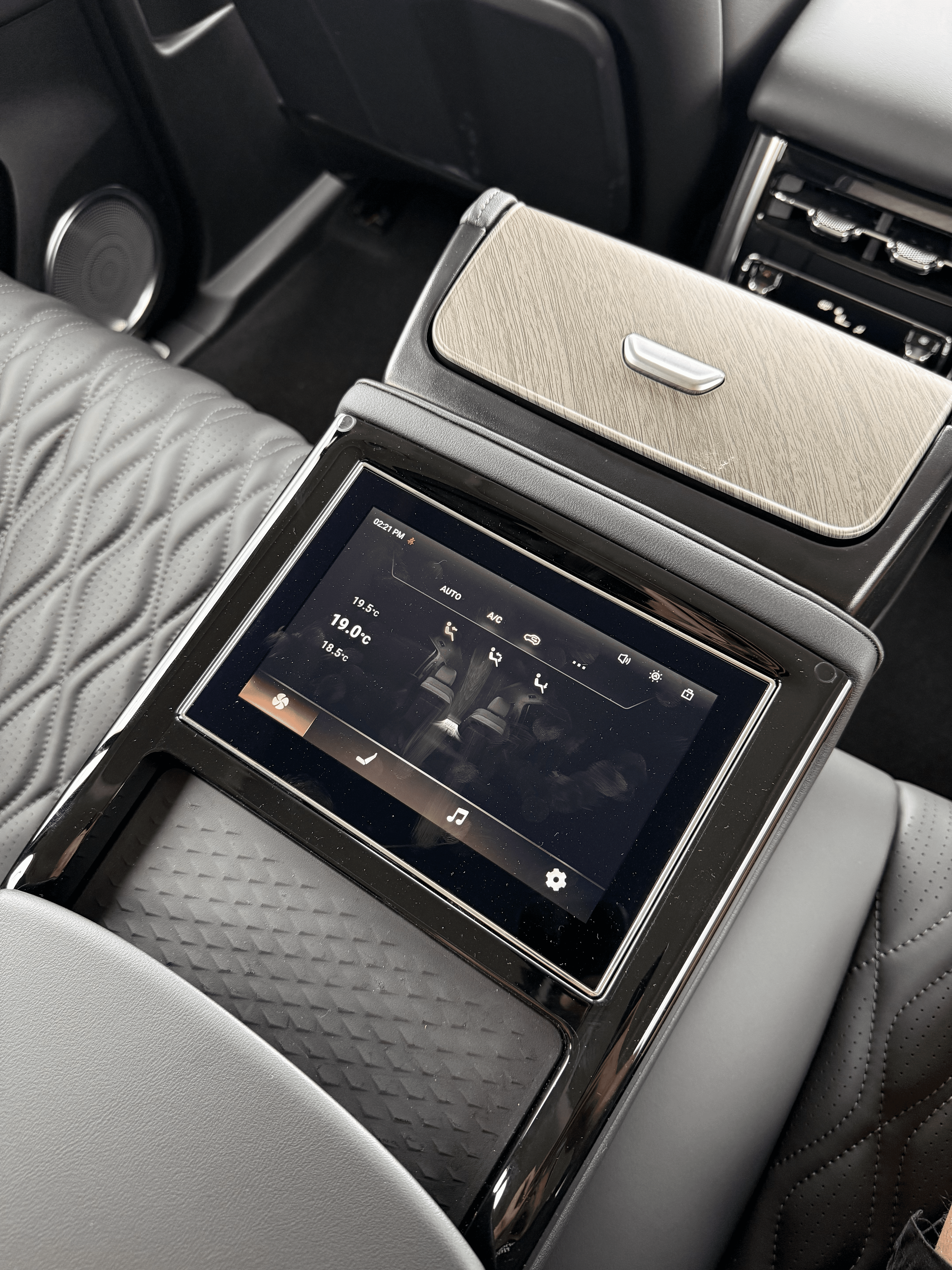
Step inside the Tank 500 PHEV and the sense of luxury is immediate. For a vehicle priced at just under $80,000, the cabin presentation is genuinely impressive, with Nappa leather seats, leather across the dash and doors, timber trim, metallic detailing and a strong sense of occasion throughout. The cabin feels a class above what many buyers might expect at this price point. The steering wheel feels substantial and well-finished, the materials are tactile, and the overall design gives the impression of a much more expensive vehicle. There are a couple of styling quirks, including some star-like trim details that feel a little too playful, but overall it is a genuinely premium place to sit. Technology is another highlight. The large infotainment display is clear and crisp, Apple CarPlay and Android Auto are included, and the head-up display adds to the high-end feel. There are a few usability frustrations, particularly around how some media controls are handled, but the broader impression remains overwhelmingly positive. Comfort is also exceptional, with heated, cooled and massage seats up front, while the second row goes even further than expected with its own climate controls, massage seats, integrated blinds and excellent overall space.
Specifications
Engine
2.0-litre 4-cylinder turbo petrol
EV Engine Type
Single electric motor
Power
300 kW
Torque
750 Nm
0 - 100 kph
6.9 seconds
Transmission
9 - Speed Automatic
Drive Type
4-Wheel Drive
Fuel Economy (Claimed)
2.1 L/100 km
Fuel Economy (As Tested)
11 to 13 L/100 km
Energy Consumption
7.9 kWh/100 km
Total Range
900 km
CO2 Emissions (Claimed)
47 g/km
Fuel Tank
70 L
Weight
2,820 kg
Offroad Dimensions & Versatility
Ground Clearance
213 mm
Approach Angle
29.5°
Departure Angle
24°
Wading Depth
800 mm
Payload
565 kg
Brake Towing Capacity
3,000 kg
Vehicle Dimensions
Length
5,078 mm
Width
1,934 mm
Height
1,905 mm
Wheelbase
2,850 mm
On the Road
On the road, the Tank 500 PHEV is surprisingly easy to live with. Despite riding on a ladder-frame chassis and weighing close to three tons, it manages to feel refined, comfortable and quiet in everyday use. Visibility is strong, the seats are exceptionally comfortable, and the hybrid system gives the vehicle a smooth, effortless character around town. Performance is one of the biggest surprises. With a combined 300kW and 750Nm, the Tank 500 moves with far more urgency than its size suggests, reaching 100km/h in just 6.9 seconds. That’s seriously quick for a large body-on-frame 4WD and gives it plenty of effortless shove in normal driving. That said, it is not a sports SUV. Through corners, the weight makes itself known, and while the brakes are fine in normal use, they begin to show their limits if pushed harder. But that’s missing the point somewhat. This vehicle is designed to be a comfortable daily driver, a capable family SUV and a legitimate off-roader, not a canyon carver. Judged on those terms, it performs extremely well. The plug-in hybrid system is also a major part of the appeal. The EV-only range is substantial at 120km, and once fully charged with a full tank of fuel, total range stretches beyond 900km. That gives the Tank 500 a level of flexibility that feels genuinely useful in the real world.
Safety Tech
The Tank 500 PHEV comes loaded with safety equipment, including autonomous emergency braking, adaptive cruise control, blind-spot monitoring, lane centering, lane keep assist, emergency lane keep assist, front cross-traffic assist, rear cross-traffic assist, safe exit warning, traffic sign recognition and a surround-view camera with front and rear parking sensors. Importantly, the ADAS suite doesn’t become an annoyance in day-to-day driving. That matters, because many modern vehicles overload the experience with intrusive warnings and overactive interventions. Here, the technology feels present without becoming a burden.


Our Verdict
The GWM Tank 500 PHEV proves it’s far more than just a value play — it’s a capable, refined, and confident 4x4. While the plug-in hybrid misses out on seven-seat practicality, that gap is filled by the non-plug-in hybrid variants. For buyers willing to move away from the usual badges, there is a lot to like here. It isn’t perfect. The styling has a few awkward touches, some controls are more fiddly than they should be, and it still doesn’t quite dethrone the Prado as the benchmark. But when value is brought into the conversation, the Tank 500 becomes extremely difficult to ignore. That’s what makes it interesting. It may not replace the established favorite in every buyer’s mind, but for those looking closely at what they actually get for the money, it starts to look less like the alternative and more like the smart choice.
Overall Rating


