Reviews
2026 Ford Ranger Sport PHEV


Price
Starting at $75,000 (excl. on road costs)
3 Things We Love
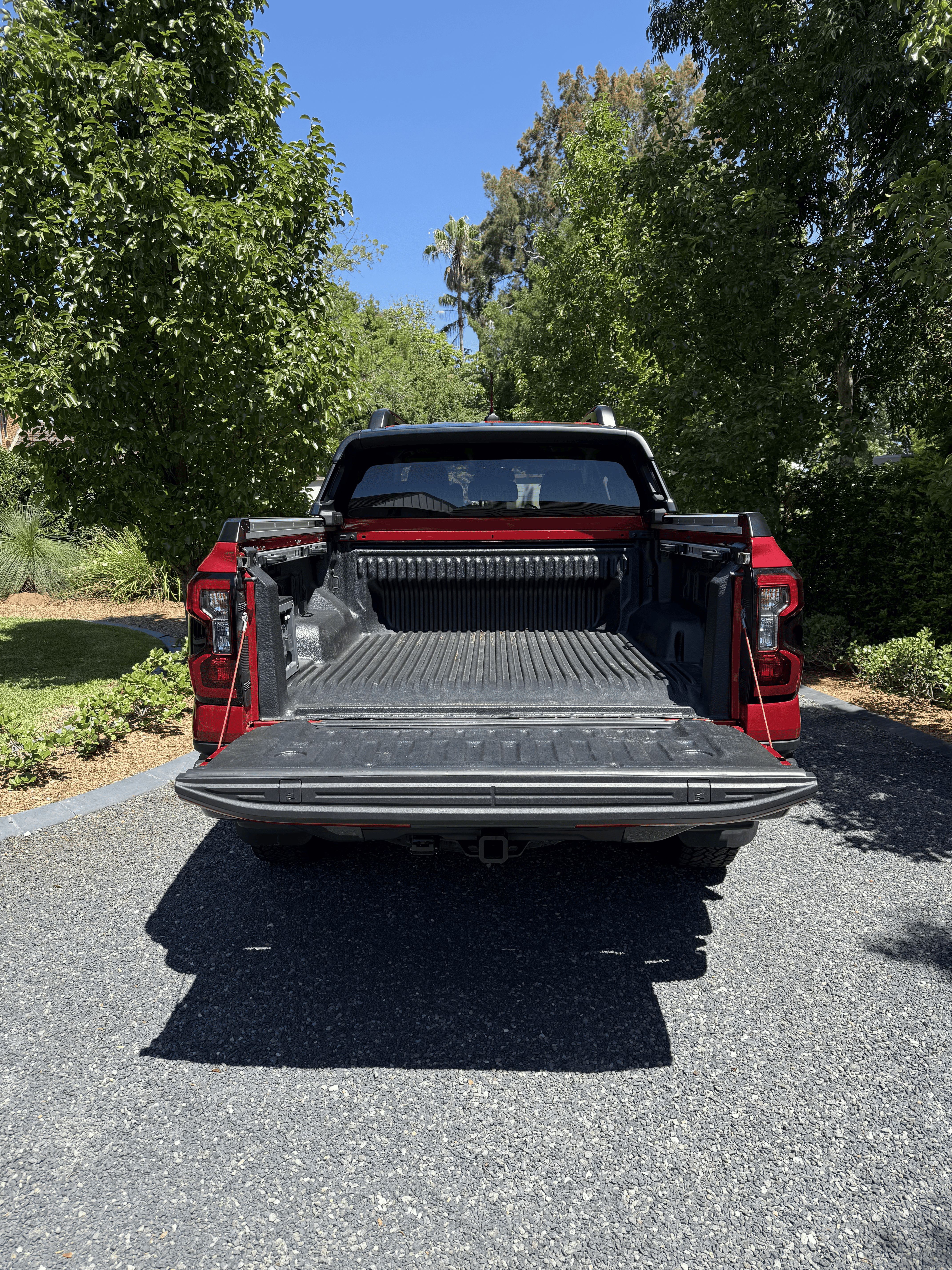
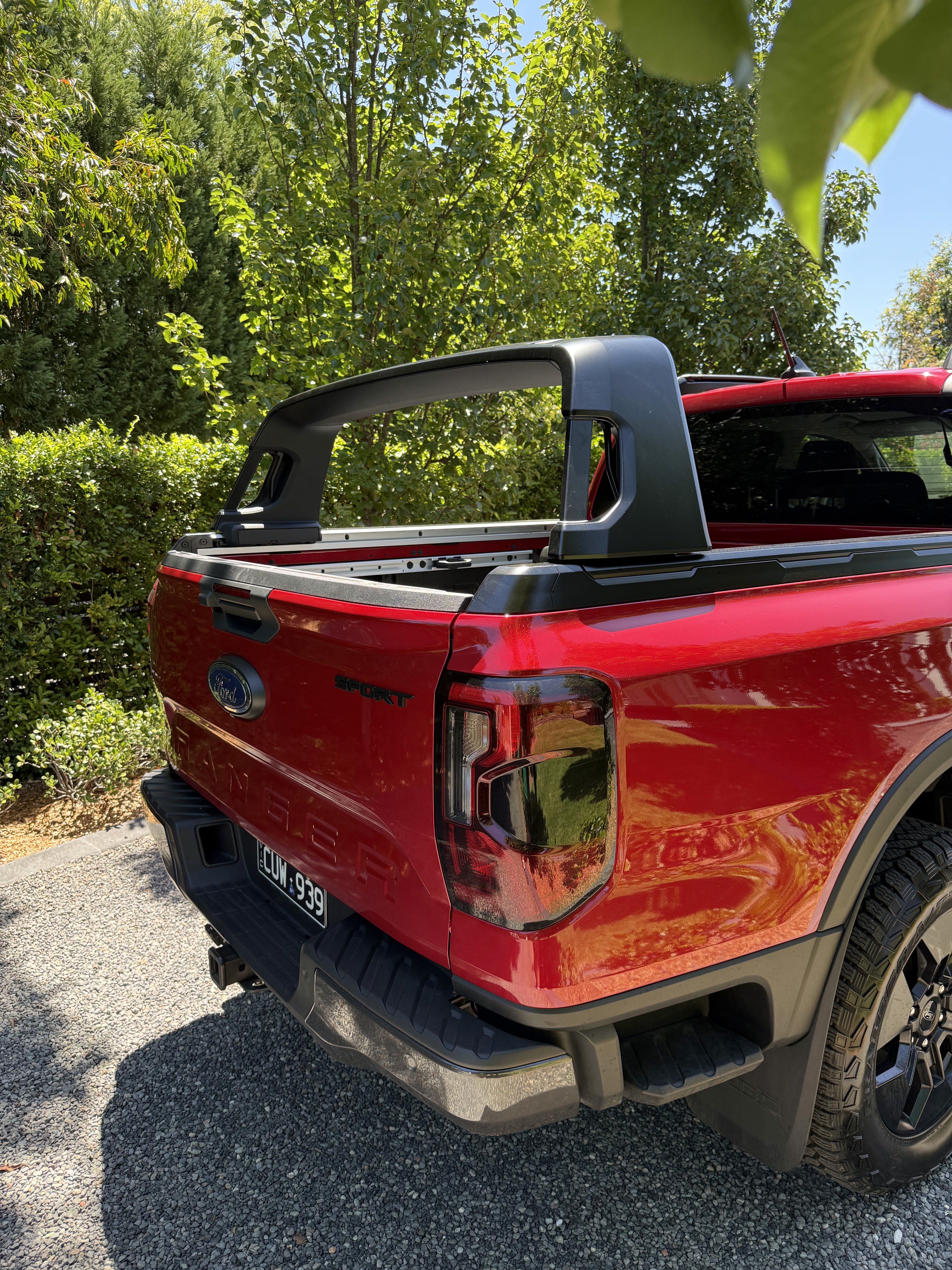
* Integrated Roof Racks Hidden in the Roof Rails * Factory Sliding Load Rack = Legit Practical Innovation * Pro Power Onboard = A Mobile Generator
3 Things We Hate
* Limited Electric Range * It’s Expensive for What It Is * Ride Comfort Is Compromised
Intro
The 2026 Ford Ranger Sport PHEV arrives at a time when UTE buyers are demanding more efficiency without sacrificing capability. Hybridization is becoming the new battleground for manufacturers, and Ford’s plug-in Ranger represents its most ambitious attempt yet to blend electrification with the practicality that made the Ranger one of Australia’s most popular UTEs. Positioned above the diesel variants in price, the Sport PHEV aims to offer improved efficiency and modern technology while maintaining the rugged versatility buyers expect. But with new hybrid competitors entering the segment, the question becomes whether Ford’s electrified Ranger justifies its higher price tag.

Exterior
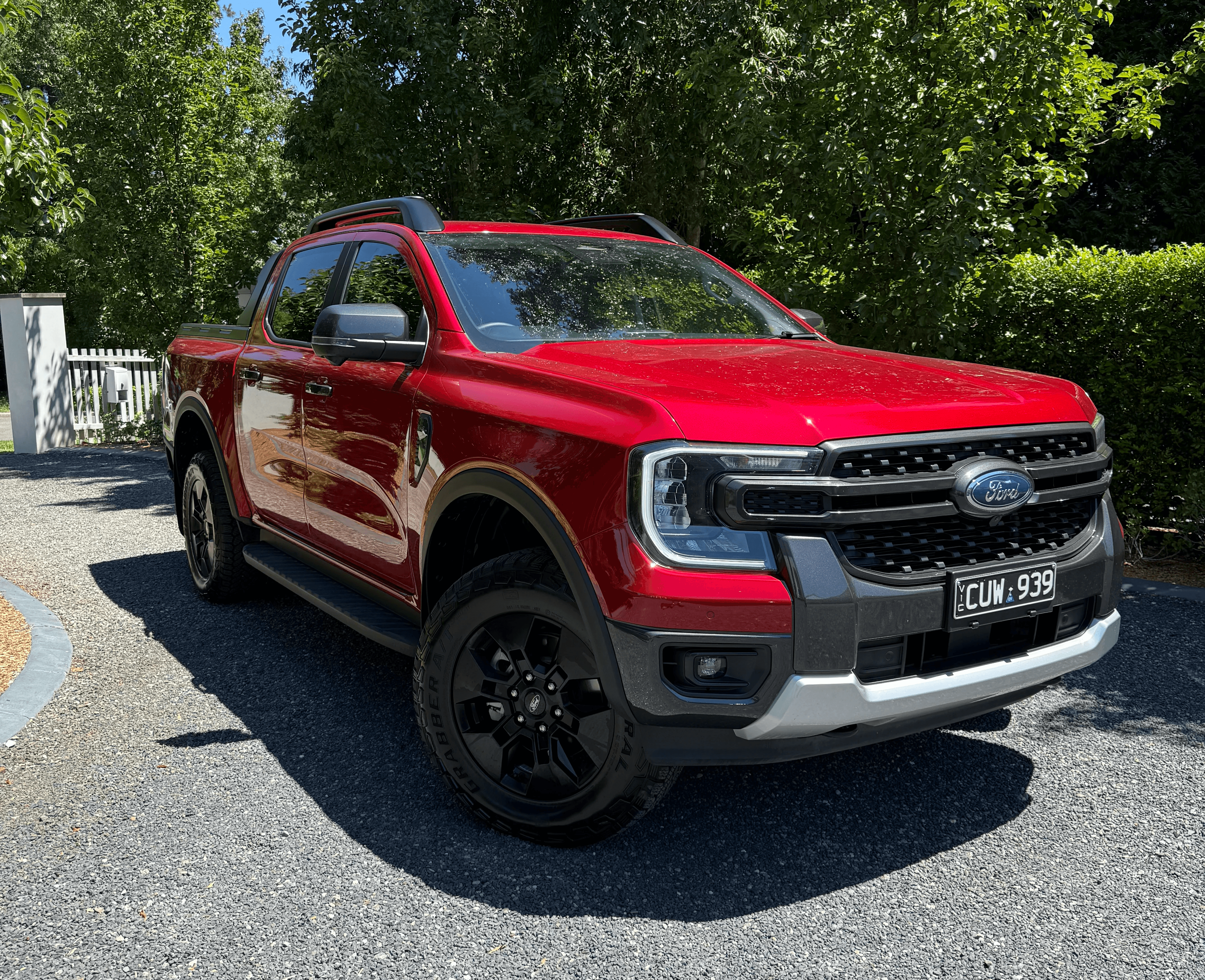
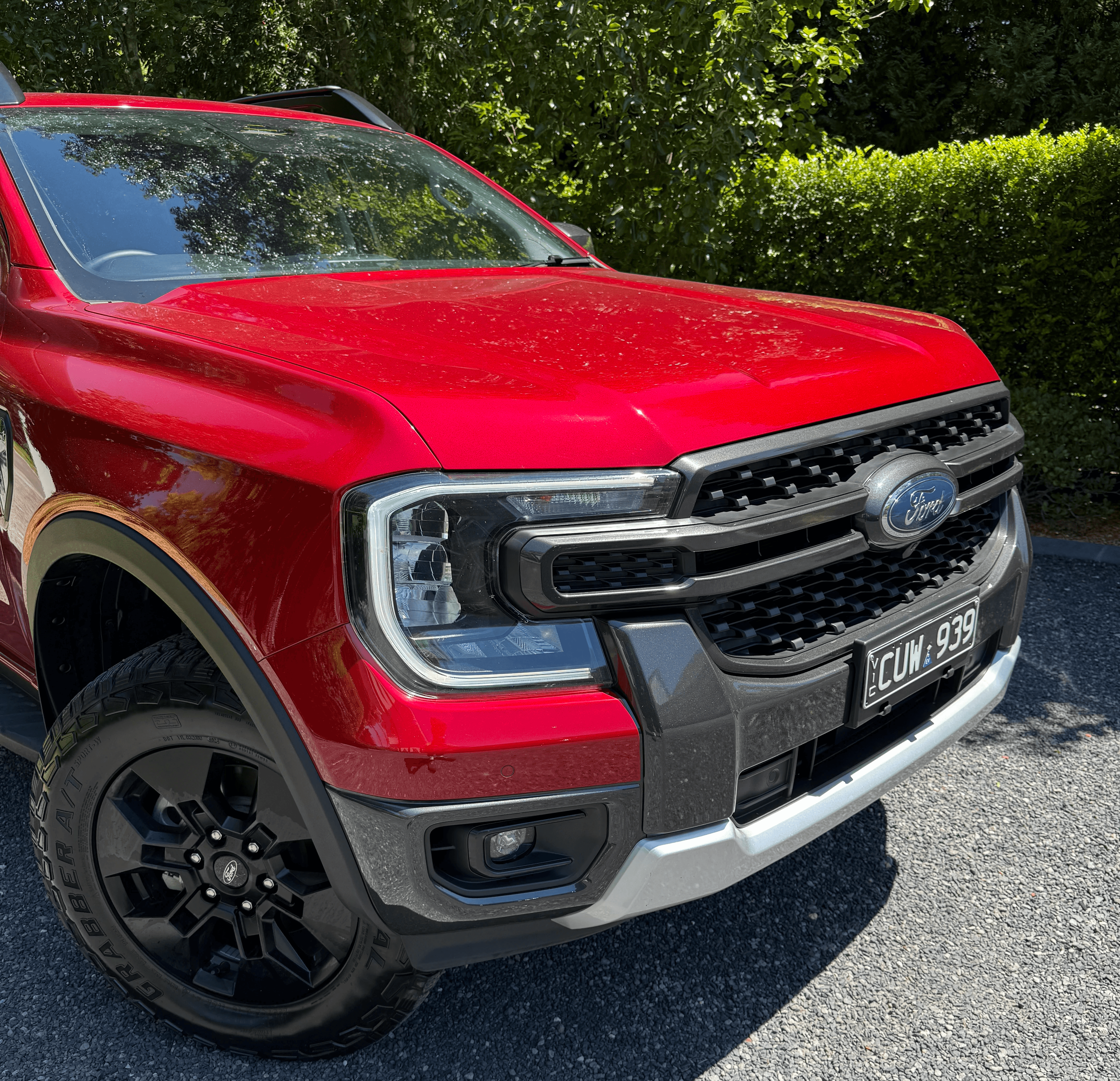
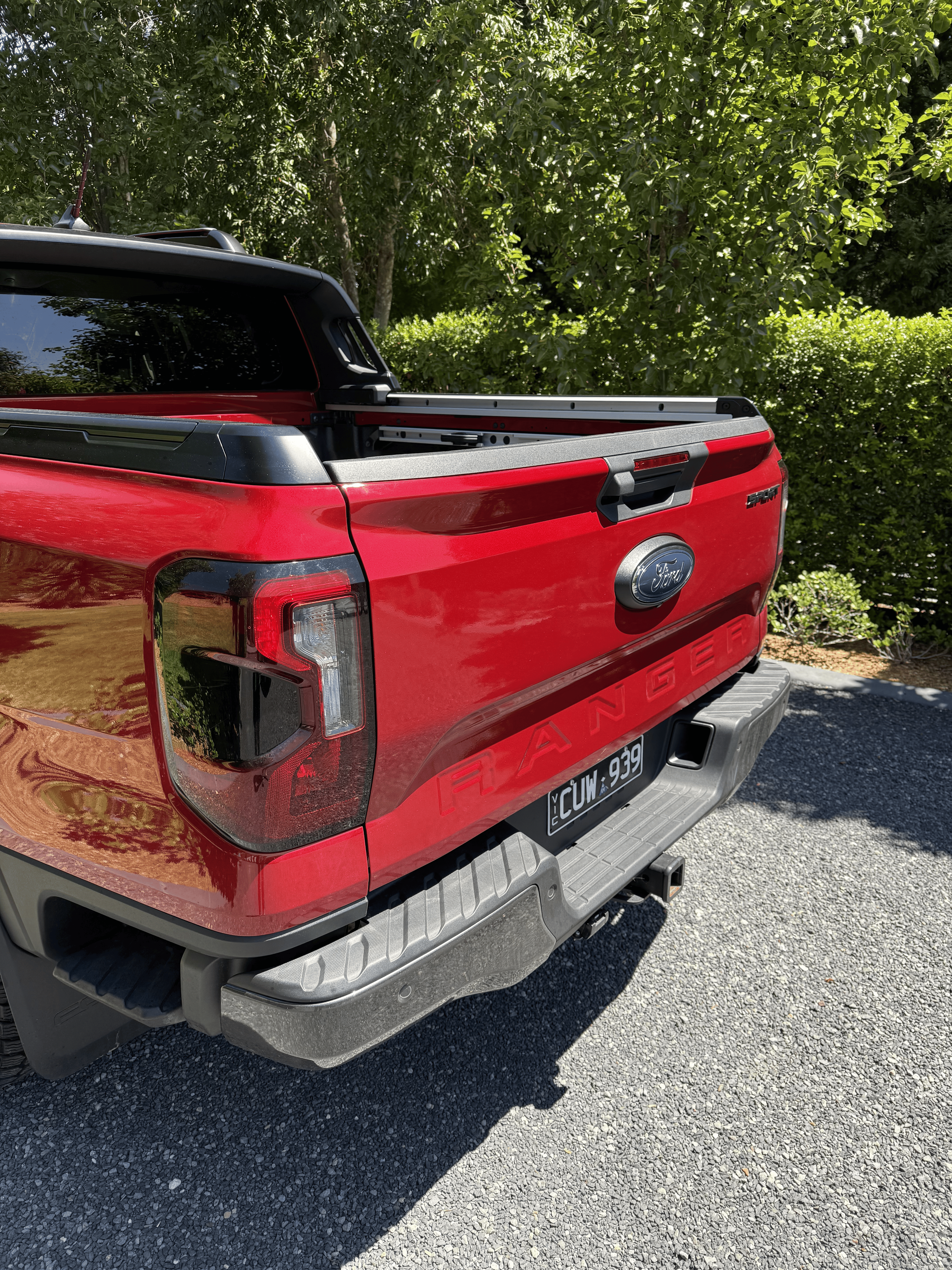
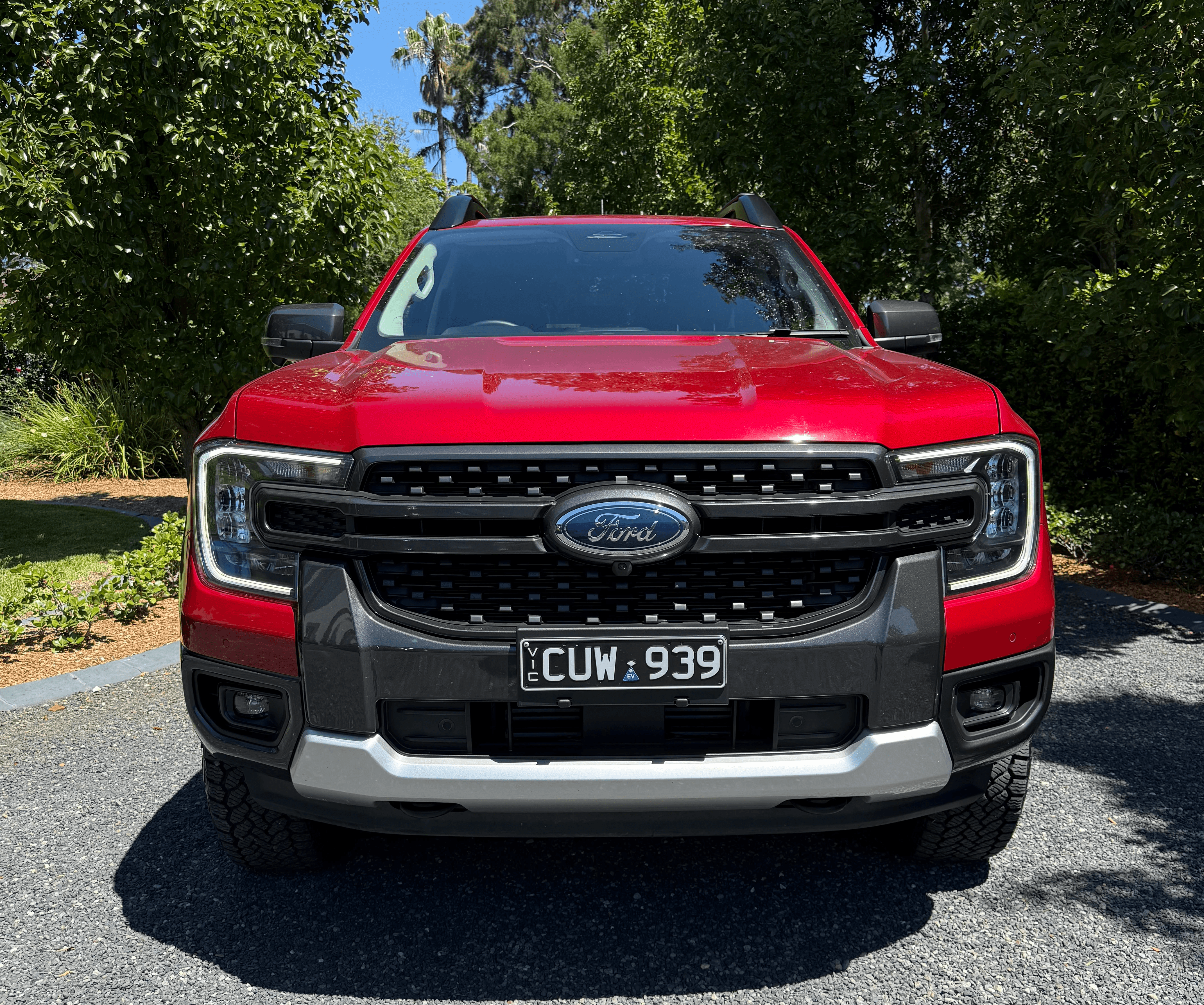
Visually, the Ranger Sport PHEV retains the tough styling that has made the Ranger so popular. The Sport variant adds grey accents around the grille and bumper, along with LED fog lamps and part LED headlights. The gloss black 18-inch alloy wheels and cladding around the wheel arches give it a purposeful stance. One of the standout design features is the innovative sports bar. Not only does it function as roof rails, but it also integrates a sliding rack system that can extend backwards to support longer items such as surfboards or ladders. Combined with the Ranger’s signature tailgate design and practical step integrated into the bumper, the overall exterior remains both functional and distinctive.


Salvatore Gerace
MotorMarvel Journalist
Interior
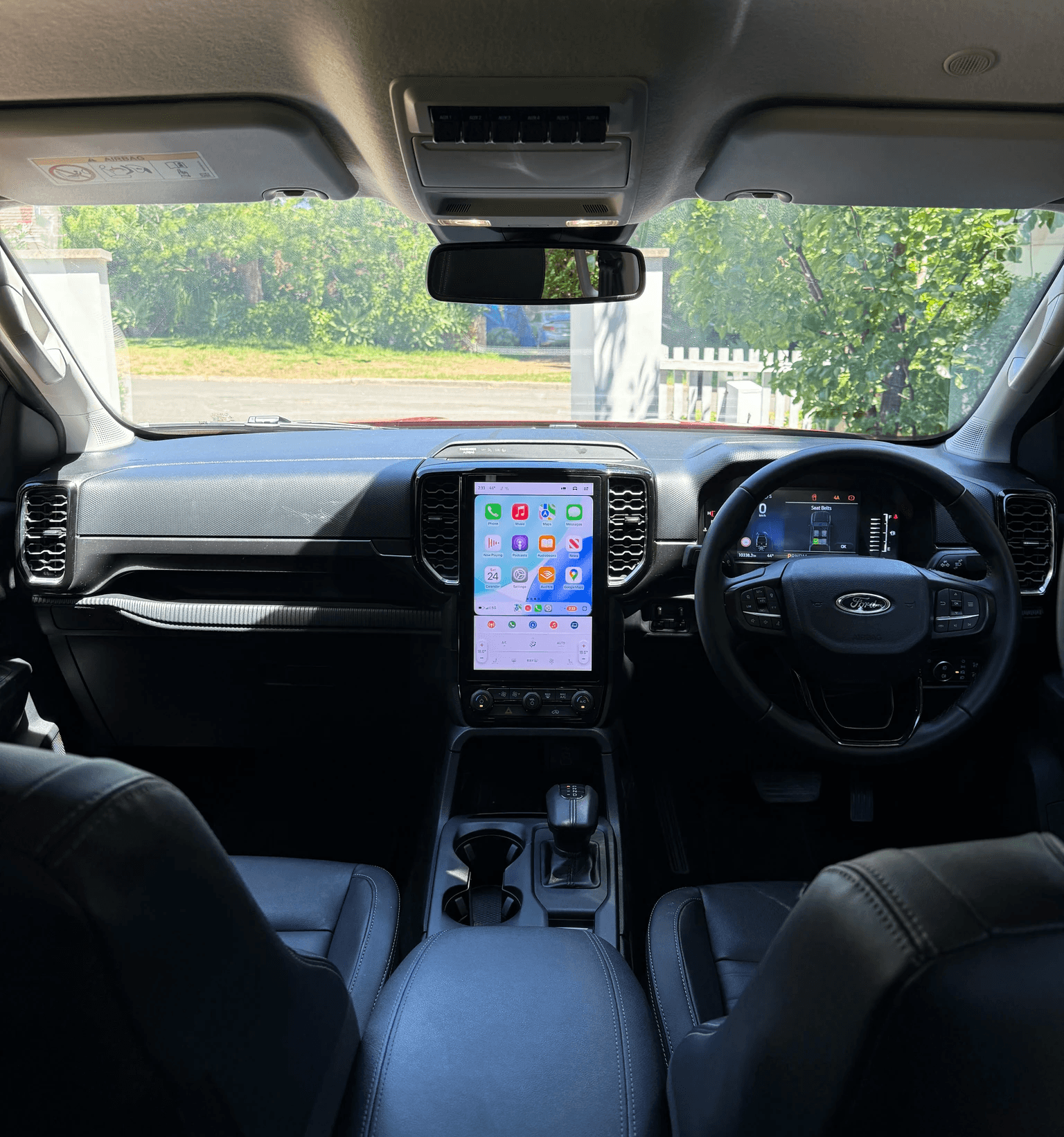
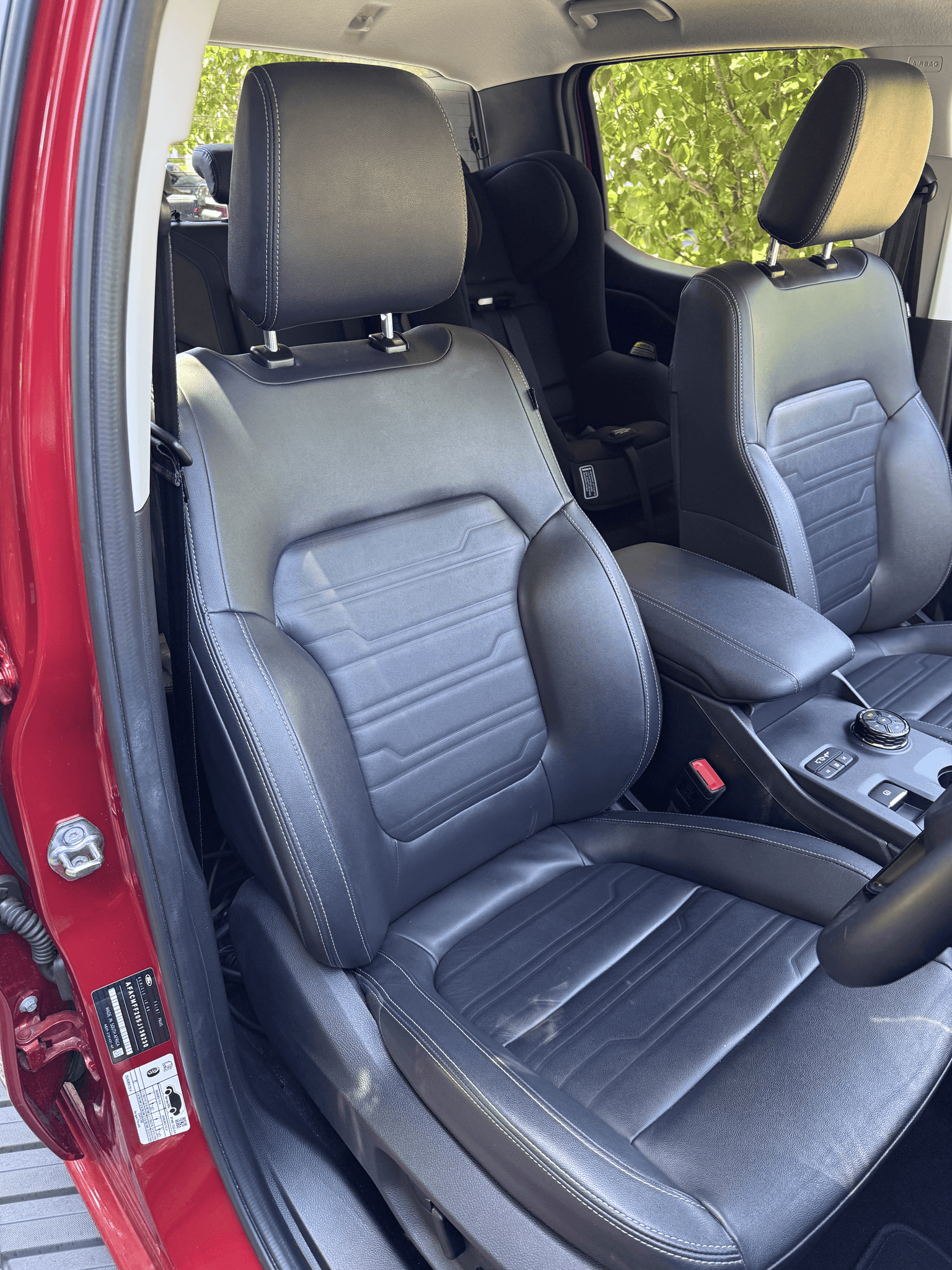
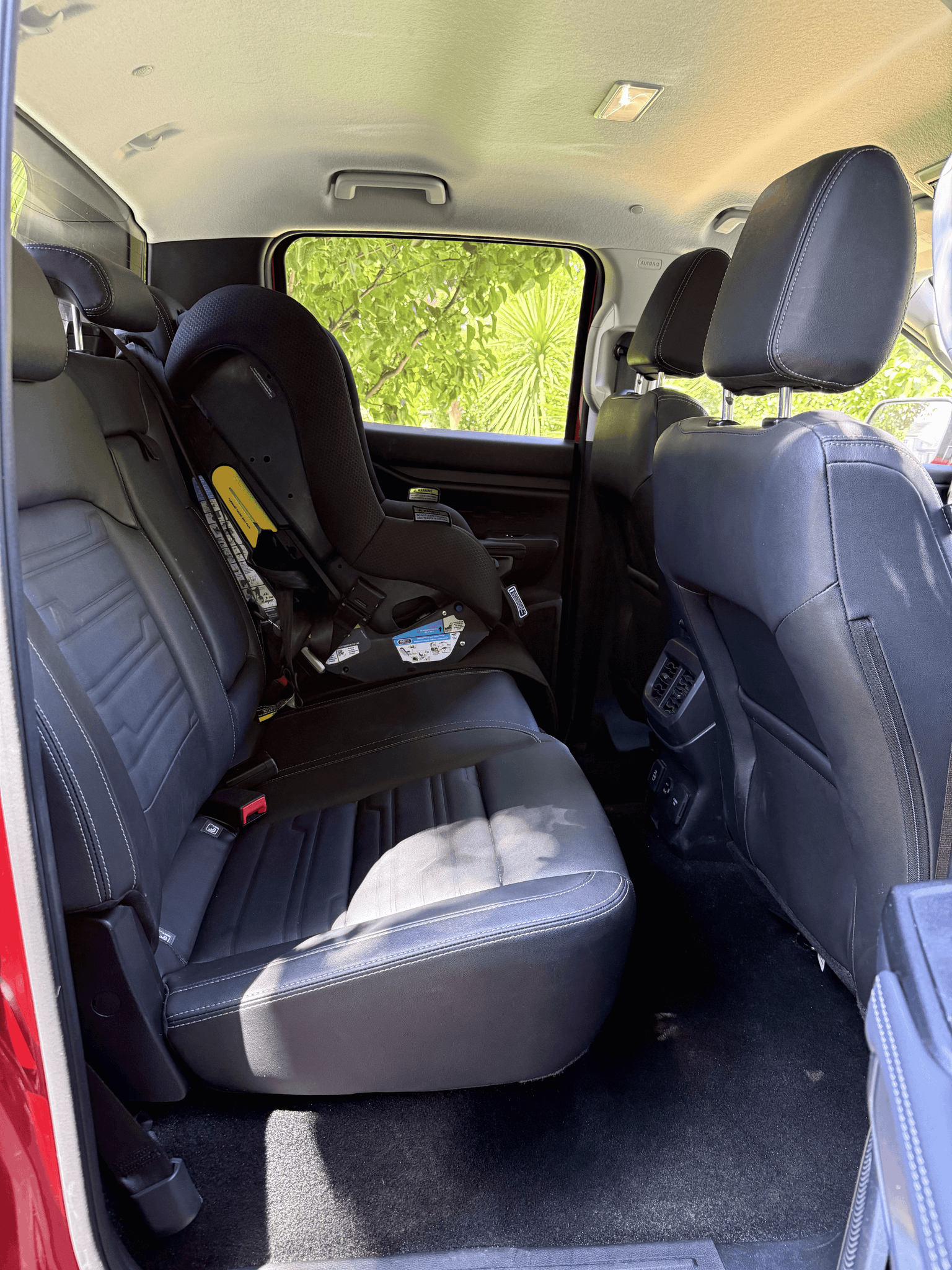
Inside, the Ranger Sport PHEV delivers the familiar layout seen across the Ranger range. The interior focuses on practicality, with durable materials and a design clearly aimed at tradies and families alike. Hard plastics are used throughout, but they are balanced with soft touch areas on the armrests and leather-trimmed seats. The large vertical infotainment screen supports Apple CarPlay and Android Auto and is paired with a digital driver display that provides clear information. Physical climate controls remain present beneath the screen, which adds convenience when driving. Storage and practicality are strong points, with multiple cup holders, a wireless phone charger, large door bins and a spacious center console. The second row offers reasonable space with ISOFIX anchor points, rear air vents and charging ports, making it suitable for family duties as well.
Specifications
Engine
2.3-litre turbocharged 4-cylinder petrol
Power
207 kW
Torque
697 Nm
0 - 100 kph
8.2 seconds
Transmission
10-speed automatic
Drive Type
Full-time four-wheel drive
Fuel Economy (Claimed)
2.7 L/100 km
Fuel Economy (As Tested)
8.6 L/100 km battery depleted
Combined Energy Consumption
6 L/100 km
Total Range
700 km
CO2 Emissions (Claimed)
66 g/km
Fuel Tank
70L
Weight
2,600 kg
Offroad Dimensions & Versatility
Ground Clearance
215 mm
Approach Angle
30°
Departure Angle
24°
Wading Depth
800 mm
Payload
970 kg
Brake Towing Capacity
3,500 kg
Vehicle Dimensions
Length
5,370 mm
Width
1,918 mm
Height
1,886 mm
Wheelbase
3,270 mm
Tub Length
1638 mm
Tub Width
498 mm
Tub Depth
498 mm
Tub Capacity
On the Road
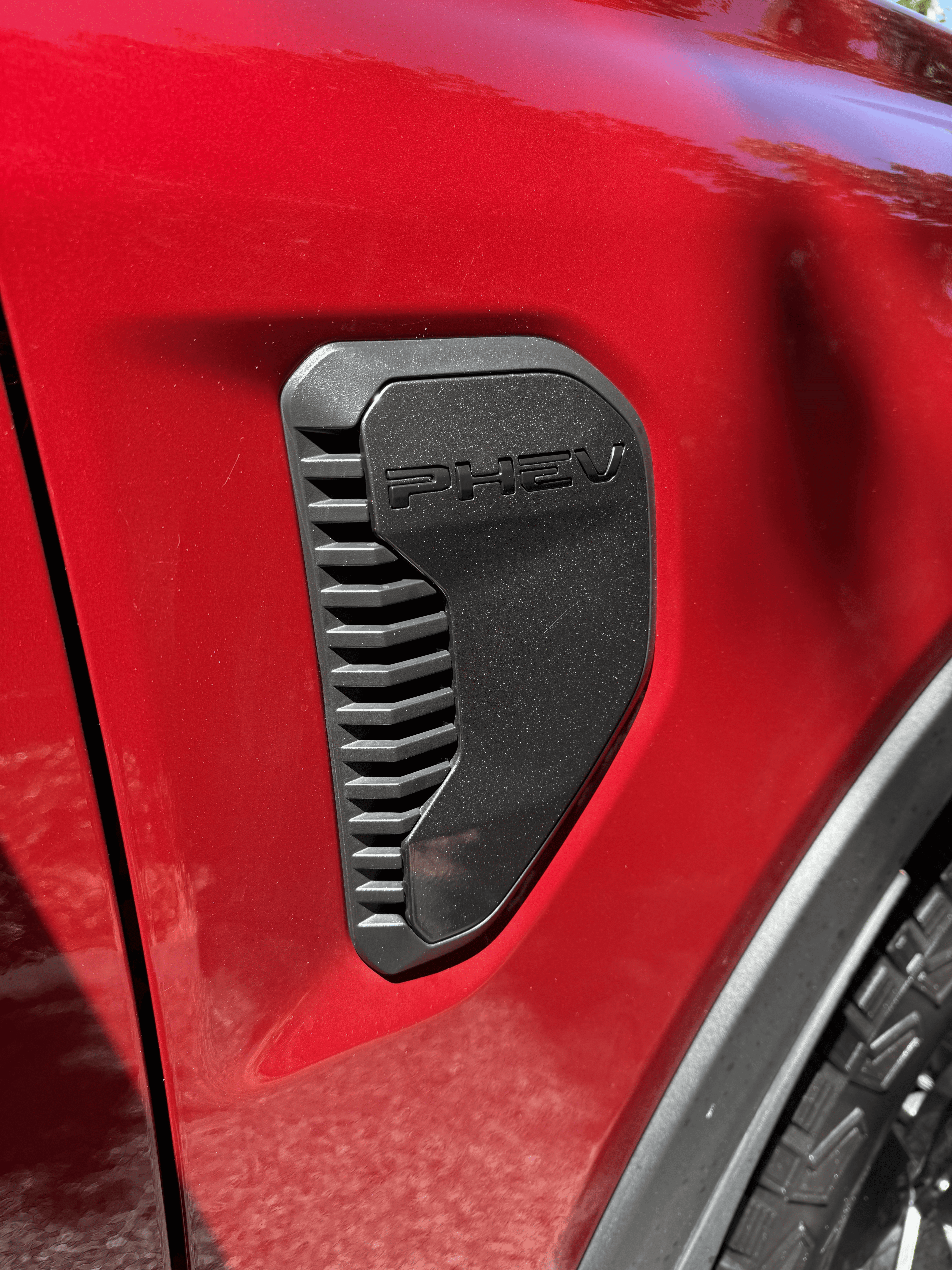
On the road, the Ranger PHEV behaves much like a traditional Ranger, though the added weight of the hybrid system is noticeable. At around 2.6 tons, the extra mass affects ride comfort, making it feel a little lumpier than the standard diesel variants. The hybrid system combines the 2.3-litre turbo petrol engine with an electric motor to produce 207 kW and 697 Nm. Power is sent through a 10-speed automatic and full-time four-wheel drive system, allowing the Ranger to reach 0–100 km/h in 8.2 seconds. While the electric motor and petrol engine work together smoothly, the electric assistance doesn’t last particularly long. With less than 40 km of electric driving range, the system quickly relies on the petrol engine alone, which diminishes the efficiency advantage expected from a plug-in hybrid.
Safety Tech
The Ranger Sport PHEV comes equipped with a comprehensive safety package. Standard features include autonomous emergency braking, rear cross-traffic alert, lane departure warning, lane keeping assist and blind spot monitoring. Additional technology such as adaptive cruise control, lane centering assist, a 360-degree camera and front and rear parking sensors help make the Ranger easier to drive both on and off road. Trailer coverage systems and tyre pressure monitoring are also included, adding further practicality for towing and worksite use.


Our Verdict
Ultimately, the Ranger Sport PHEV remains a solid UTE, but its hybrid system raises some questions. While it offers decent combined power and retains full four-wheel-drive capability, the efficiency and electric range fall short compared to some rivals. Considering it costs roughly $4,000 more than the diesel equivalent, the value proposition becomes harder to justify. The traditional 3.0-litre V6 turbo diesel Ranger still delivers excellent range and capability without the complexity of a hybrid system. For buyers specifically looking for electrification, the Ranger PHEV may still appeal. But for many, the diesel Ranger continues to make more sense in terms of power, efficiency and overall value.
Overall Rating


