Reviews
2026 GWM Haval H6 Ultra PHEV AWD


Price
Starting at $50,000 (excl. on road costs)
3 Things We Love
* Aussie-Tuned Suspension * Serious Power & EV Range * Unbeatable Value
3 Things We Hate
* Annoying Infotainment Operations * Overbearing Safety Tech * The Clunky Gear Stalk
Intro
The previous-generation Haval H6 was a car where, as Salvatore puts it, “you got what you paid for.” This new-generation H6 Ultra Plug-in Hybrid aims to change that reputation, bringing more power, improved ride and handling, and local suspension tuning for Australian roads. At just over $50,000 drive-away, it enters the mid-size SUV segment with a value-focused pitch that is hard to ignore. With a 1.5-litre turbo petrol engine, dual electric motors, all-wheel drive, and a combined 268 kW and 760 Nm, the H6 Plug-in Hybrid promises serious performance for the money. The question is whether this power-on-a-budget formula also makes it a genuinely good daily driver.


Exterior
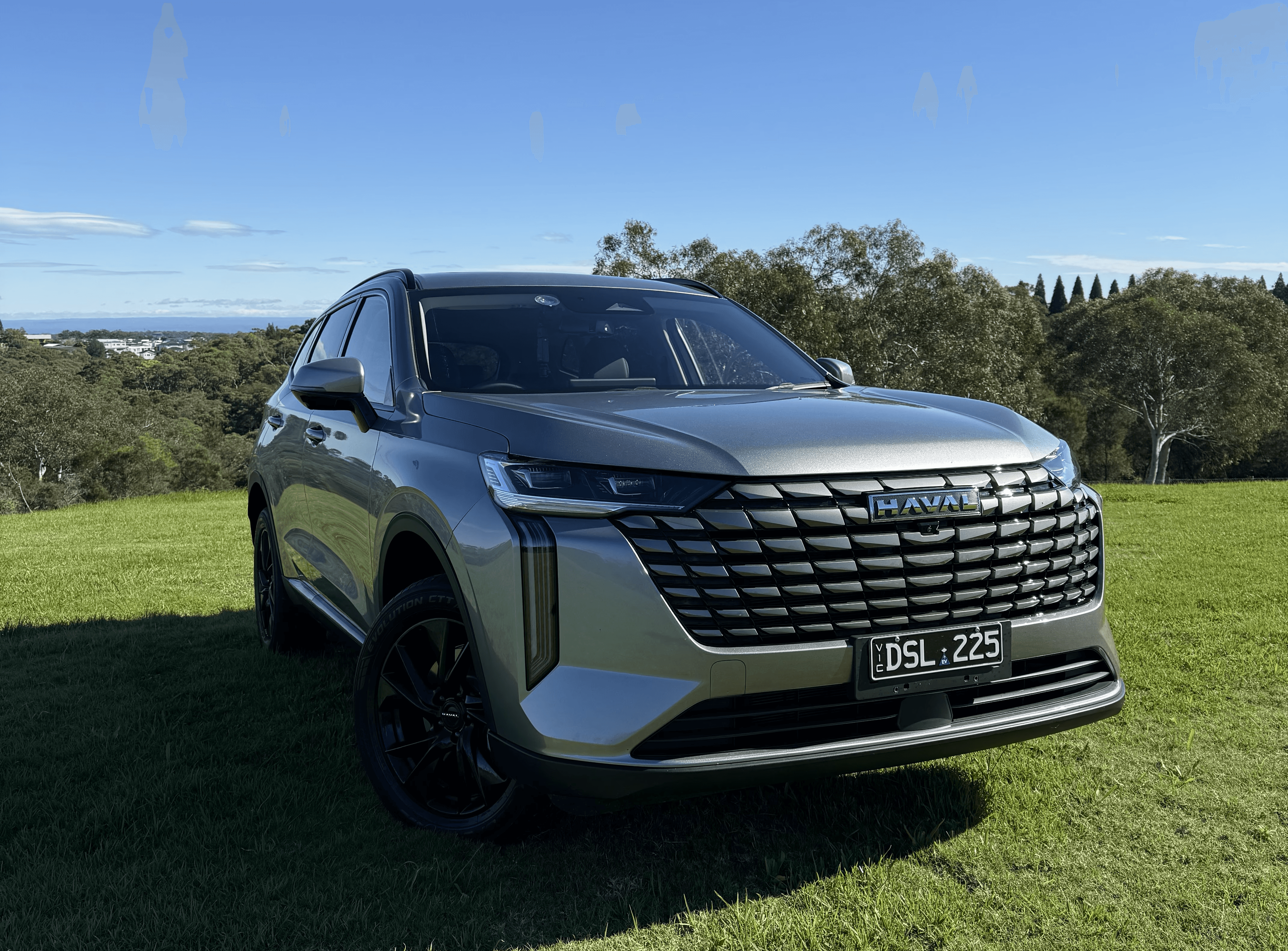
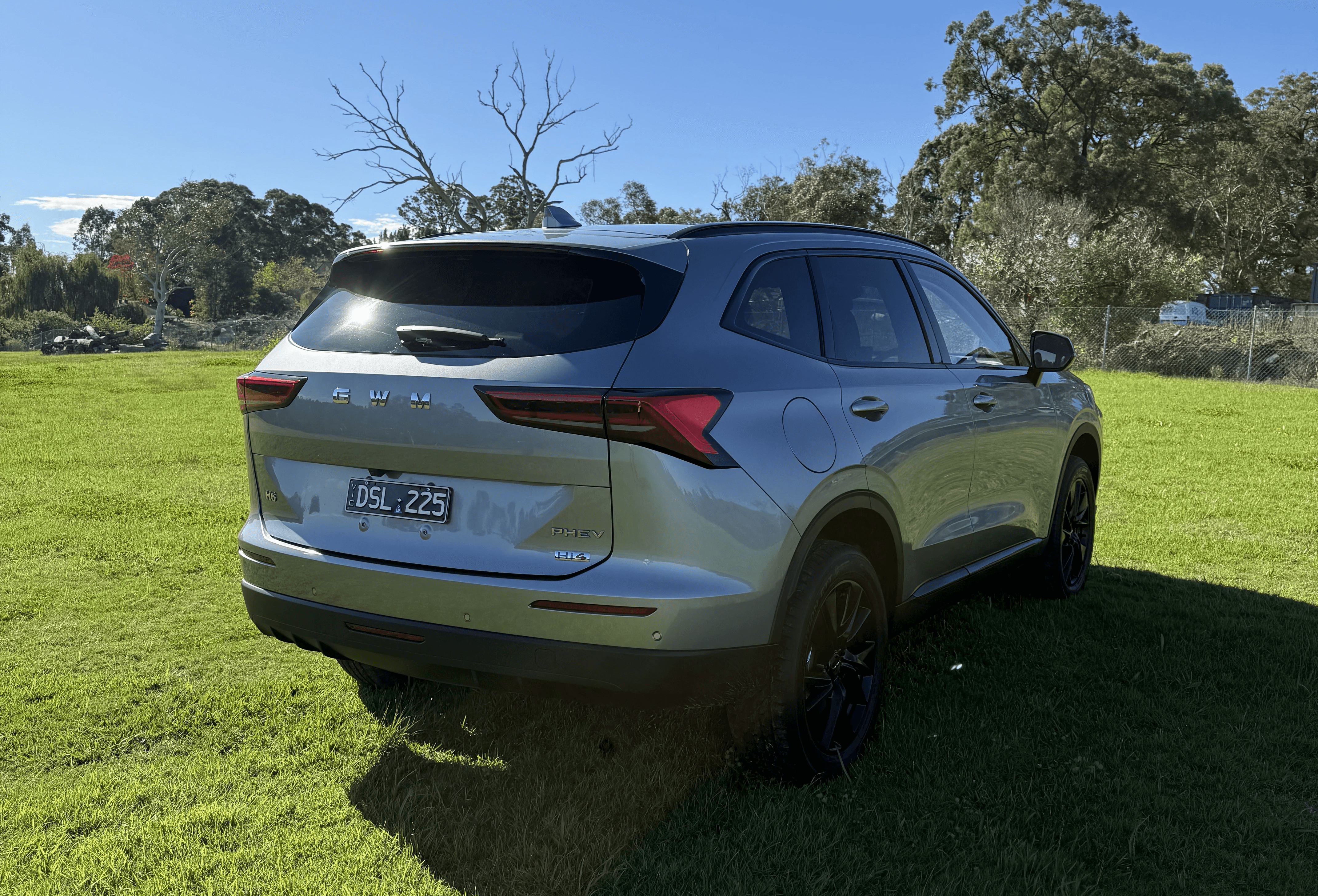
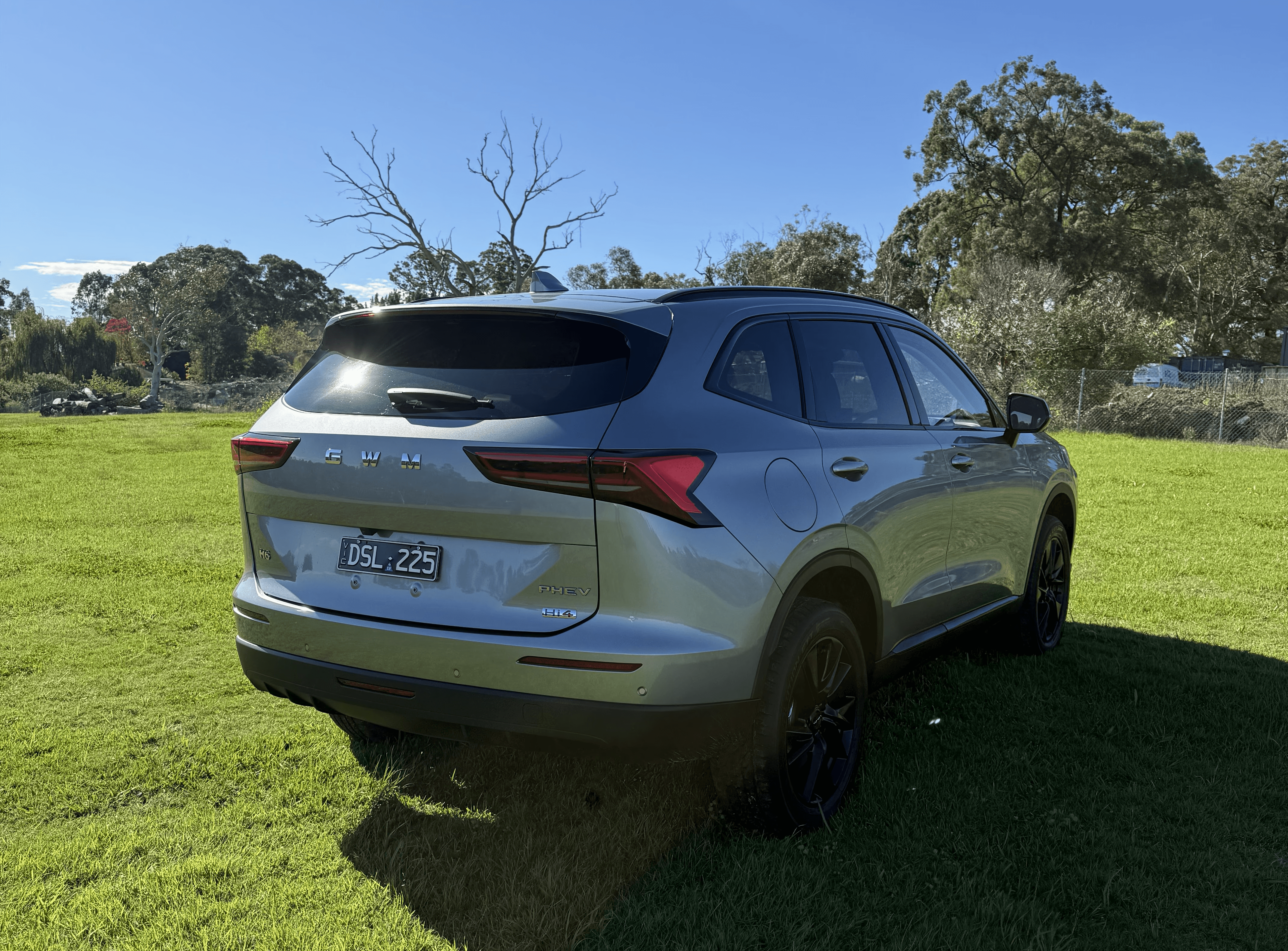
The Haval H6 has a distinct look, with clean proportions, sharp body lines, and a design that feels competitive within the mid-size SUV segment. While the overall shape works well, the front end is more divisive, particularly the grille design. Up front, the Haval features LED headlights and sabre-tooth-style daytime running lights that give the car a sharper visual identity. Around the sides, the SUV wears black cladding around the wheel arches, gloss black 19-inch wheels, gloss black window surrounds, and gloss black roof rails. While the cladding gives it a tougher SUV appearance, it feels unnecessary for a vehicle that is unlikely to spend much time off-road. At the rear, the design is stronger. The tailgate tapers neatly, the roof spoiler works well, and the overall rear-end styling looks clean and modern. The fake diffuser area is less convincing, especially with exposed sections that appear unfinished, but overall the Haval presents as a sharp and competitive-looking mid-size SUV.



Salvatore Gerace
MotorMarvel Journalist
Interior
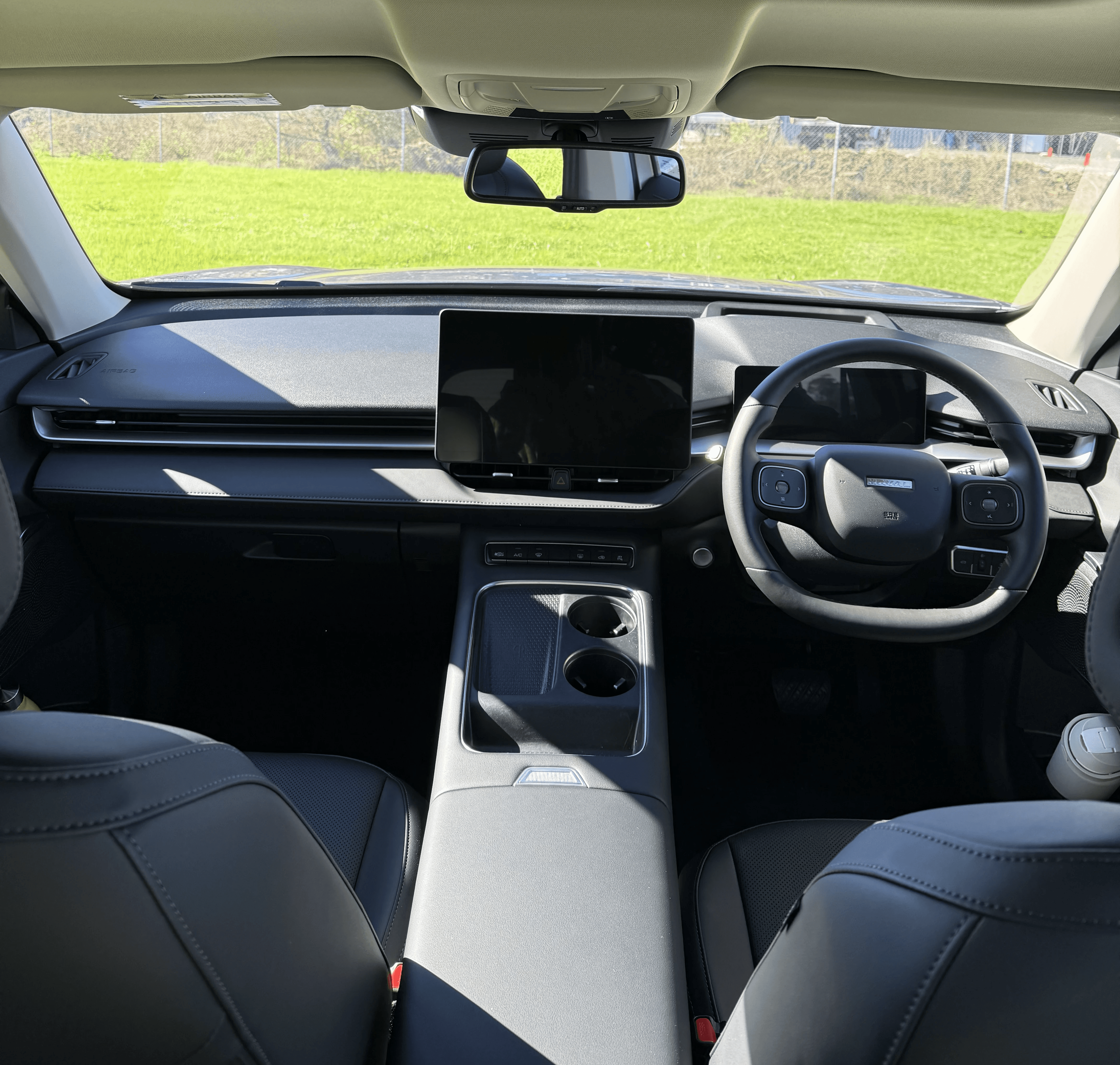
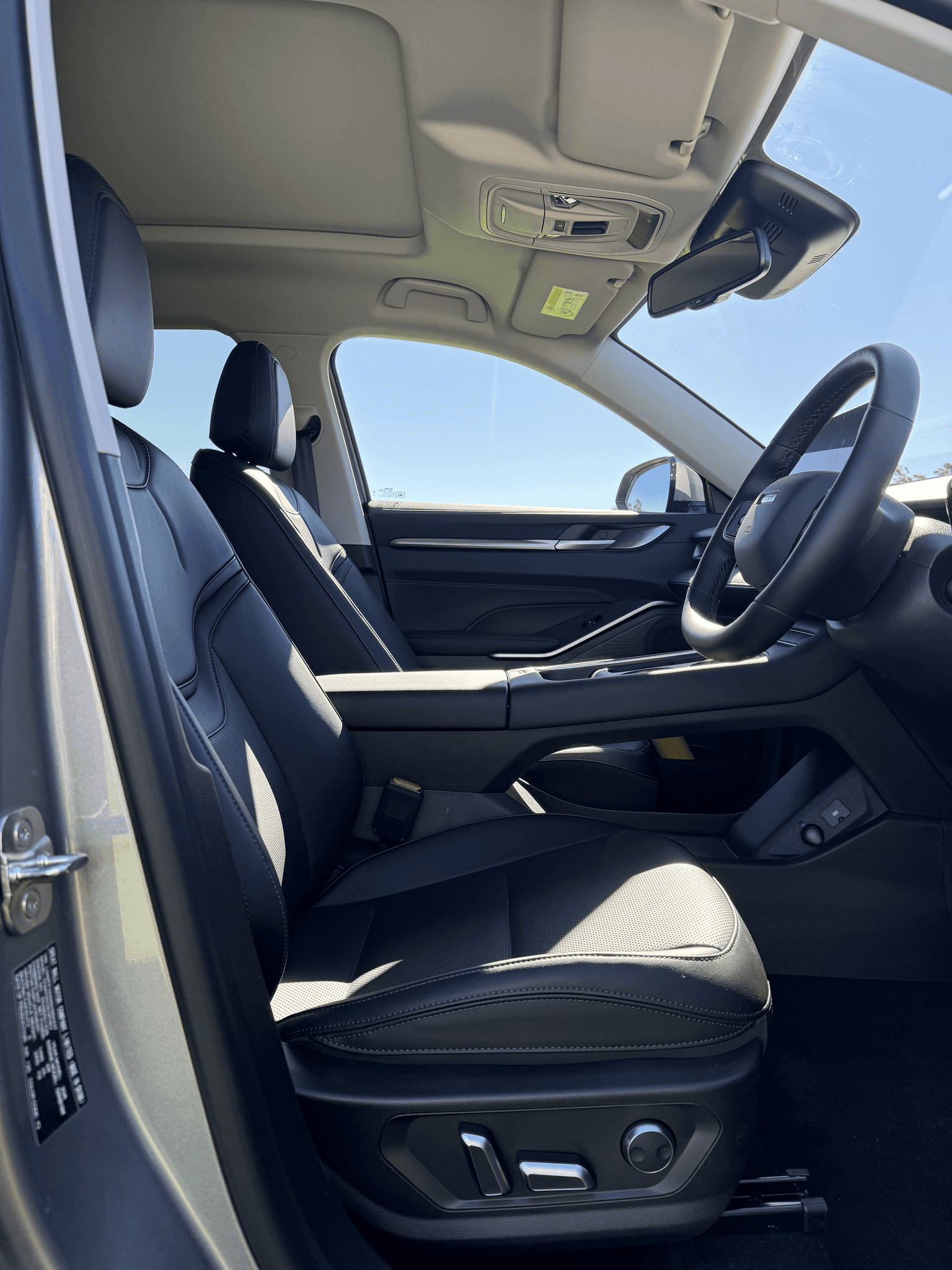
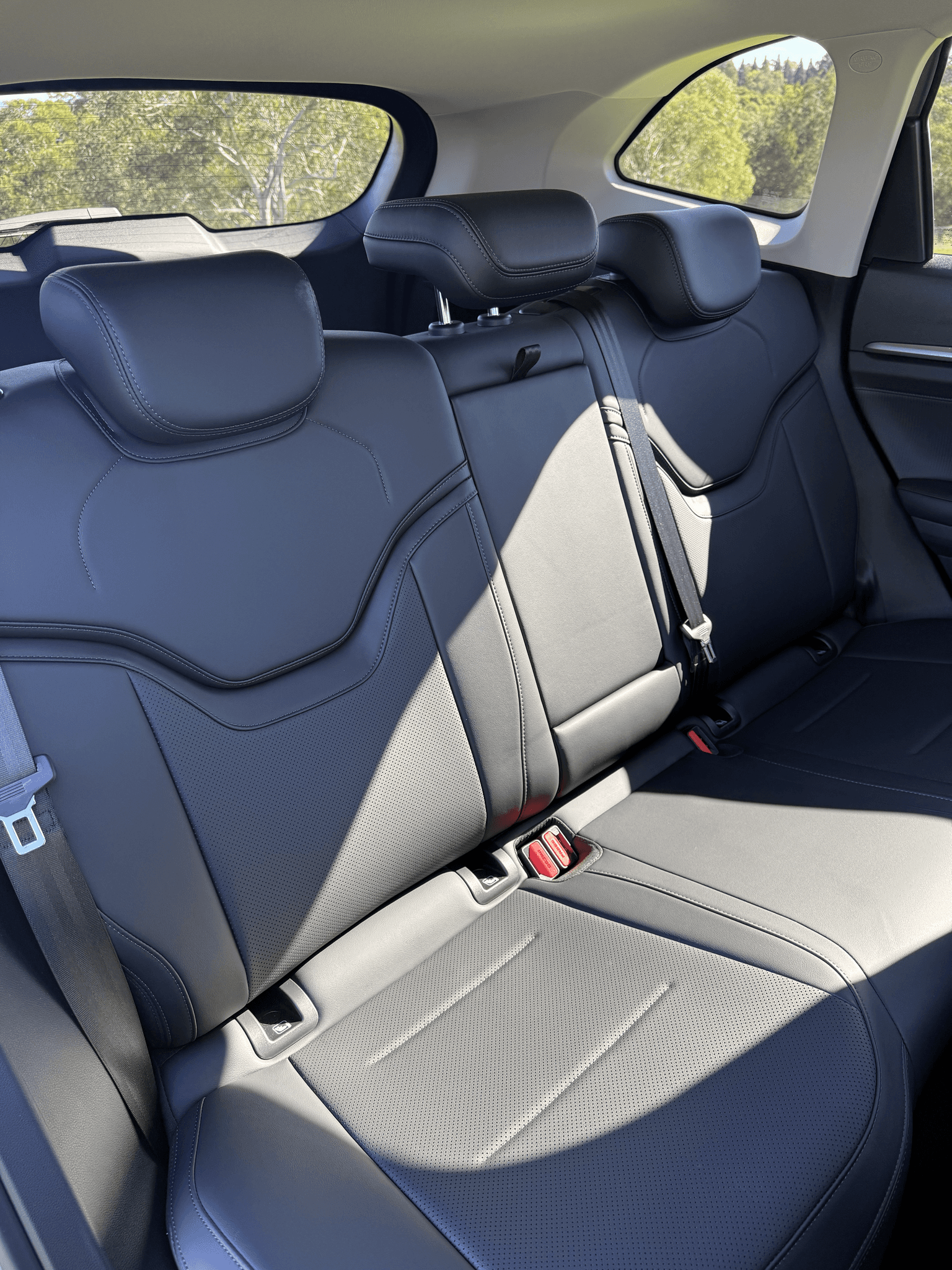
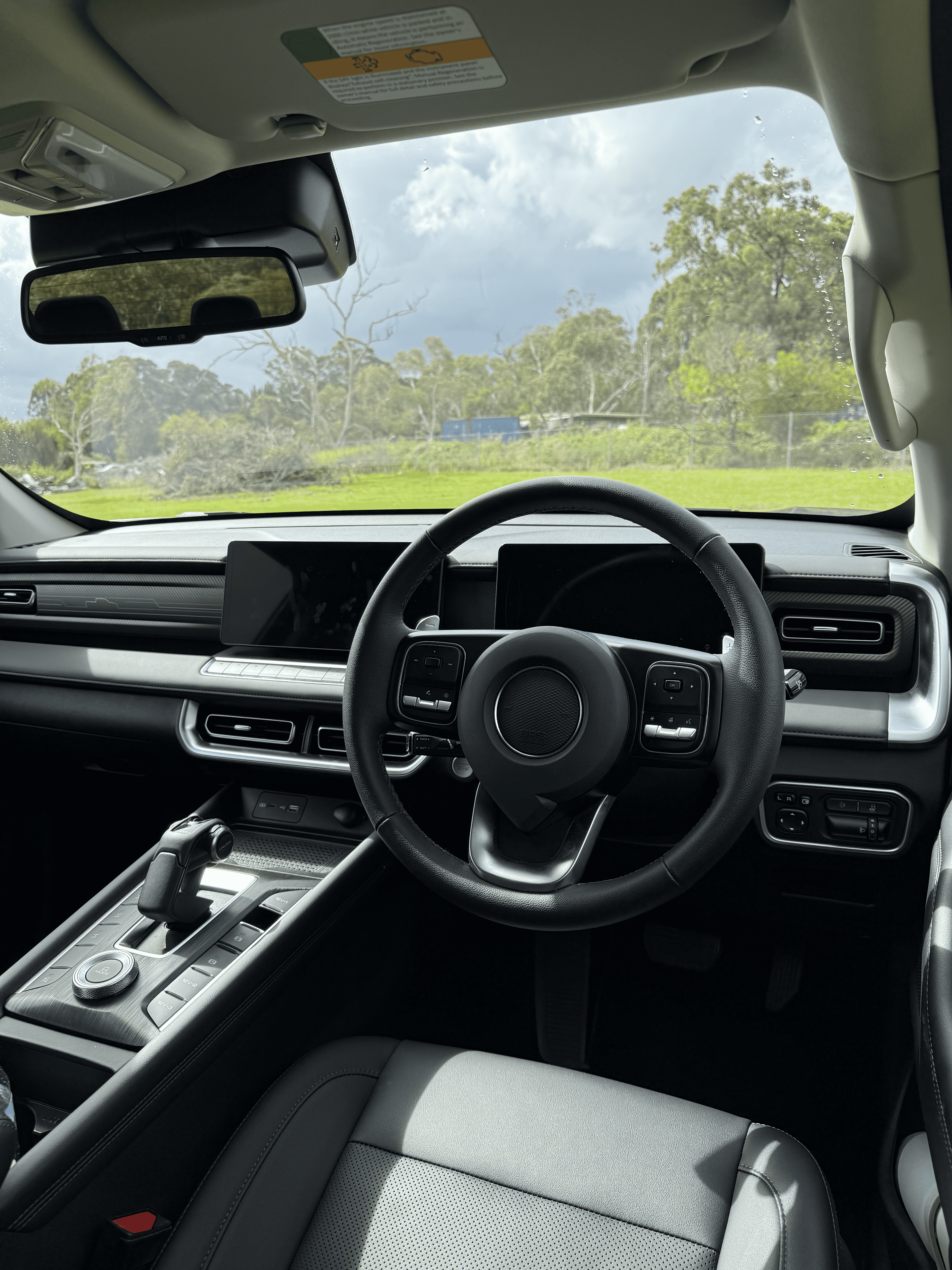
Inside, the Haval H6 adopts a minimalist design approach. While that can sometimes leave a cabin feeling short on soul or character, it suits this vehicle well, and the general layout is strong. Material quality is one of the cabin’s highlights. The fake leather across the centre console, dashboard, door tops, and seats gives the cabin a more premium feel, while the overall build quality feels solid. Nothing feels especially clunky, cheap, or poorly assembled. The redesigned steering wheel is also a major improvement over the previous generation, looking and feeling far more purposeful. The column shifter frees up useful space in the centre console, but it creates its own frustration. It looks too similar to the indicator stalk, and cruise control is also operated through it, making the whole arrangement feel like an afterthought. The Haval H6 would have benefited from dedicated steering wheel buttons or a separate stalk for cruise control. Technology is dominated by a huge 14.6-inch infotainment screen. The graphics are clear and crisp, and the system operates well, but almost everything is controlled through the screen, including functions that would be better served by physical buttons. There are shortcut controls for climate and cameras, but deeper settings, headlights, drive modes, hybrid settings, and other vehicle functions are all buried in menus. Practicality is strong overall. There is a wireless phone charger, decent cup holders, a large centre console, additional storage underneath, a glovebox, sunglass holder, USB-A charging, a 12-volt socket, and a large sunroof with a proper shade. The seats are electrically adjustable and comfortable, though they could use more under-thigh support. Rear-seat space is impressive, with plenty of knee room, good headroom, an almost flat floor, USB-A and USB-C charging, directional air vents, ISOFIX points on the outboard seats, three top tether points, and a centre armrest with cup holders. Boot capacity is also strong, offering 560 litres with the second row in place and just over 1,400 litres with the seats folded.
Specifications
Engine
1.5-litre four-cylinder turbo petrol
Power
268 kW
Torque
760 Nm
0 - 100 kph
4.8 seconds
Transmission
Dedicated hybrid transmission
Drive Type
All-wheel drive
Fuel Economy (Claimed)
Above 2.5 L/100 km
Fuel Economy (As Tested)
Above 5.3 L/100 km when the battery is drained
CO2 Emissions (Claimed)
25 g/km
Fuel Tank
55 L
Weight
Just over 2,000 kg
Vehicle Dimensions
Length
4,703 mm
Width
1,886 mm
Height
1,730 mm
Wheelbase
2,738 mm
On the Road
The biggest improvement in this Haval H6 is its ride and handling. Compared to the previous generation, the difference is night and day. Thanks to local tuning for Australian roads, the new H6 feels more comfortable, quieter, and more planted in everyday driving. The driving experience is smooth and refined. The engine is not intrusive when it kicks in, and most of the time the Haval drives more like an EV than a traditional plug-in hybrid. The two electric motors do most of the work, while the petrol engine acts more like a generator and only becomes more noticeable under heavier throttle or highway driving. Importantly, the transition between electric and petrol power feels well integrated, with no clunky handover between systems. Power delivery is instant, and performance is impressive for a family-friendly mid-size SUV. With a 0–100 km/h time of 4.8 seconds, the Haval is seriously quick for what it is, and the power makes it easy to get out of sticky situations. There are still frustrations. Single-pedal drive mode can feel jerky and is better turned off, while lane keep assist is too aggressive, darting the car back into lane rather than gently assisting. The column shifter also remains annoying in daily use, especially because it looks so similar to the indicator stalk and also controls cruise control. Headlight controls being buried inside the infotainment screen is another unnecessary frustration. As a daily driver, though, the Haval makes a strong case for itself. It is quiet, comfortable, spacious, fuel efficient, and very quick. It may not be a driver-focused SUV when pushed through corners, but as a commuter and family vehicle, it ticks a lot of boxes.


Safety Tech
The Haval H6 Ultra Plug-in Hybrid includes key driver assistance systems such as cruise control, lane keeping, cameras, and driver assistance settings accessed through the infotainment system. The lane keeping system is one of the weaker points. Rather than gently assisting, it aggressively darts the vehicle back into lane, which can feel more like a nuisance than a safety aid. The integration of cruise control into the column shifter is also frustrating, especially when a dedicated button or separate stalk would have made more sense.

Our Verdict
The Haval H6 Ultra Plug-in Hybrid makes a compelling argument for itself. The previous generation felt clunky, lumpy, and unfinished, but this latest model is far more polished thanks to major ride and handling improvements, stronger refinement, and a huge power output. It is not designed to be a motoring enthusiast’s dream, and that shows when it is pushed harder. The steering is well weighted in normal driving, but it lacks real connection when driven enthusiastically. The dedicated hybrid transmission makes the Haval feel more like an EV, which works well for daily driving but removes some engagement for those chasing a more traditional driving experience. That is why it receives a 5/10 MotorMarvel rating. As a daily driver, however, it performs extremely well. It looks good, has heaps of power, is comfortable, quiet, fuel efficient, spacious, and comes in at just over $50,000 drive-away. For buyers wanting something fast, affordable, and easy to live with, the Haval Plug-in Hybrid earns an impressive 8/10 overall rating.
Overall Rating


